

Breeze's Sign Language Match: A Gimmick or Genuine Accessibility Win?
- Breeze has added sign language matching to its dating algorithm, allowing users to specify BSL, ASL, Auslan and other sign languages
- The company has arranged over 400,000 dates but has not disclosed active user numbers or revenue figures
- Major platforms like Match Group and Bumble offer profile badges but no sign language matching filters
- BSL and ASL are not mutually intelligible—matching without linguistic compatibility creates the same barrier as pairing English and Mandarin speakers
Breeze, the dating app that eliminates messaging and sends users straight to in-person dates, has introduced sign language matching to its algorithm. The feature allows users to specify which sign language they use and match with people who communicate the same way. It addresses a compatibility gap that mainstream platforms have ignored despite billions in revenue and years of accessibility commitments.
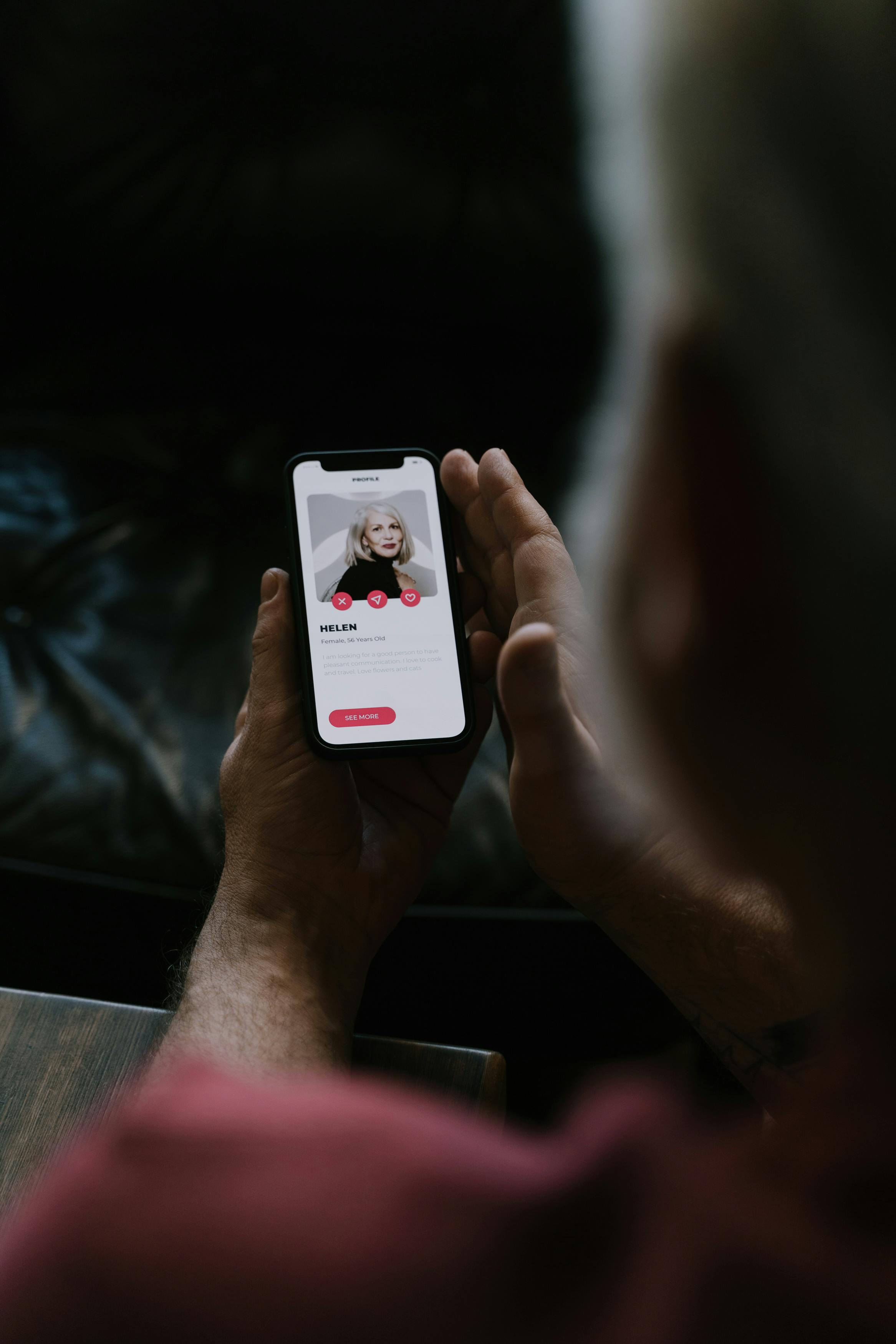
The feature addresses a compatibility issue that most mainstream platforms ignore. Match Group, Bumble, and others have added accessibility features over the years—screen reader support, photo descriptions, profile badges—but they've largely treated sign language as a single category rather than accounting for linguistic diversity. BSL and ASL are not mutually intelligible. A deaf BSL user matching with an ASL user faces the same communication barrier as an English speaker matching with a Mandarin speaker.
Breeze's business model forced its hand here in a way that traditional apps haven't experienced. When you eliminate the pre-date messaging phase that every other platform relies on, you can't defer the communication question until two people are already invested. The company has arranged over 400,000 dates according to its own figures, though it hasn't disclosed active user numbers or revenue, making it difficult to assess whether this represents genuine scale or a niche operation serving a small base intensively.
Create a free account
Unlock unlimited access and get the weekly briefing delivered to your inbox.
This is what happens when product constraints accidentally create better accessibility than intent ever did. Breeze didn't solve this because it's more virtuous than Match or Bumble—it solved it because its no-chat model made sign language compatibility a day-one blocker rather than a nice-to-have. The uncomfortable question: why did it take a sub-scale app with a gimmick to recognise that deaf users need linguistic matching, not just a profile badge?
Mainstream platforms have had a decade and billions in revenue to figure this out.
When business models force inclusion
The feature rollout reveals something uncomfortable about how accessibility innovation happens in dating. The major platforms have trust and safety teams in the hundreds, product organisations that dwarf Breeze's entire headcount, and user research budgets that could fund a small startup for years. Yet they've defaulted to treating accessibility as compliance theatre—adding features that let them tick a box without fundamentally rethinking how their products serve disabled users.
Breeze's constraint is structural. Remove the messaging layer, and you remove the screening mechanism that lets users gradually discover incompatibilities. That works fine for sighted, hearing users who can verify chemistry over a drink. For deaf users, it creates an immediate problem: you've committed to a date with someone who may not be able to communicate with you at all.

The company claims in its announcement that 'focusing only on the average user means eventually our product won't work for anyone', which sounds like the sort of thing a comms team workshopped. There's no indication that deaf communities co-designed this feature or that Breeze consulted sign language users before building it. The more plausible read: the company identified a product gap that its business model made unusable, and built a fix.
That's not a criticism. Top-down accessibility improvements still improve access. But it does highlight how much of dating's inclusive design happens reactively at the margins rather than proactively at scale.
What the majors haven't built
Bumble allows users to add a 'Deaf/Hard of Hearing' badge to their profile, introduced in 2021. Hinge offers similar signalling through prompts. Tinder has photo descriptions for screen readers. These are table stakes, and they're inadequate.
None of the major platforms offer sign language matching as a core filter. Deaf users can disclose their communication method in a bio, hope matches read it, and conduct the compatibility conversation in chat before meeting. That's friction that hearing users don't face—and friction that Breeze's model can't accommodate, which is precisely why it built around it.
The competitive context matters here. Breeze is not competing directly with the majors on scale. It's exploring a specific behavioural thesis—that eliminating chat reduces ghosting and dating fatigue—which appeals to a subset of users frustrated with text-based platforms. That thesis happens to align well with accessibility needs for users who communicate visually.
The company hasn't published retention data, user satisfaction scores, or second-date rates for deaf users versus the overall base. Without that, this could be a well-intentioned feature that sees minimal adoption, or a genuinely differentiated offering that gives Breeze a structural advantage in serving a underserved segment.
Why this still matters
If you operate a dating platform and your accessibility strategy begins and ends with screen reader compliance and profile badges, you're not serving disabled users—you're avoiding lawsuits.
Breeze's feature set is a reminder that accessibility isn't a checkbox; it's a design question that touches matching algorithms, user flows, and core product assumptions. The broader industry has treated inclusive design as a nice-to-have, something to add once product-market fit is proven and revenue is flowing.
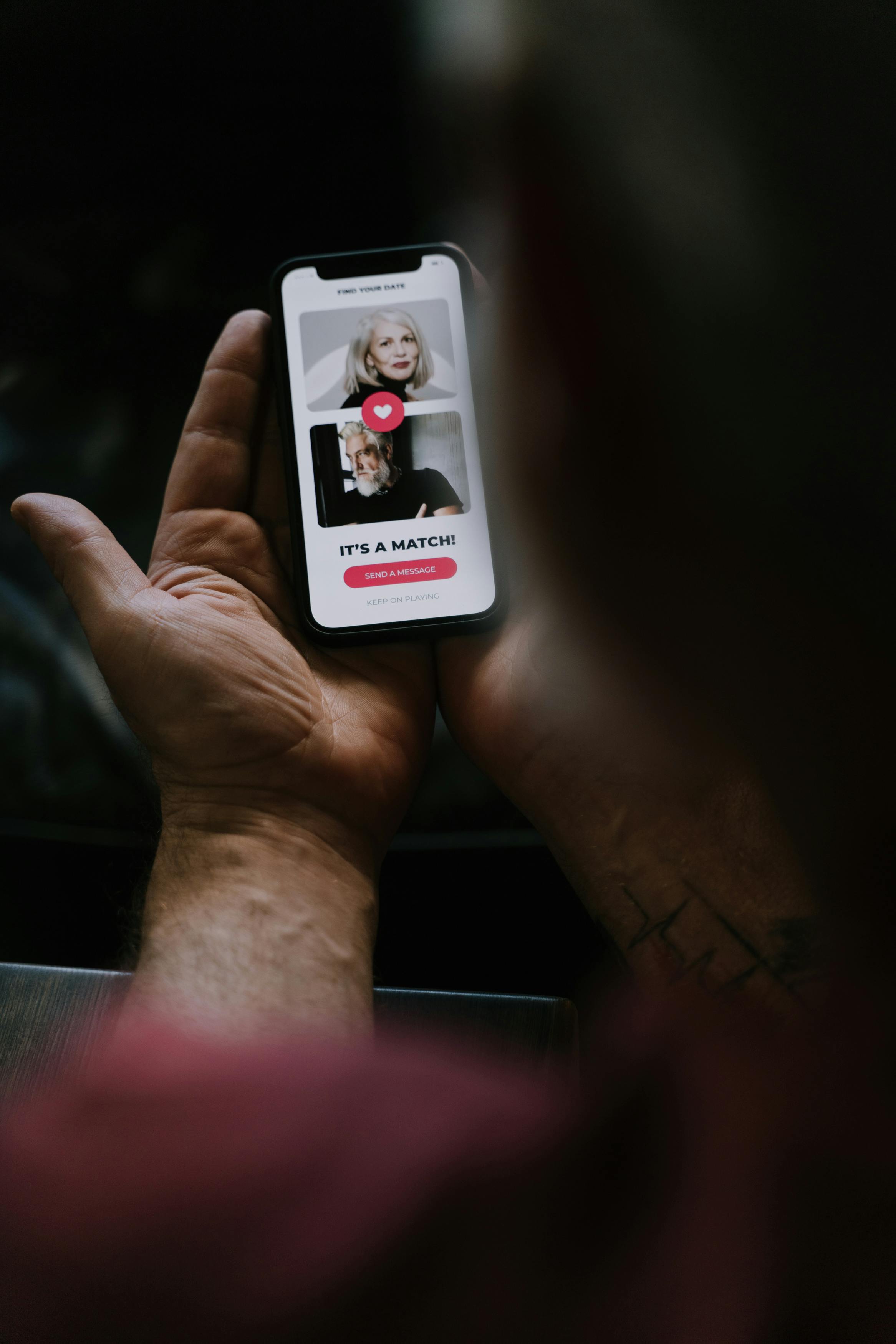
That approach works until a smaller competitor realises that serving a neglected segment well is a viable differentiation strategy. Breeze may not scale to Hinge's numbers, but it doesn't need to. It needs to be materially better for a specific cohort, and this feature moves it closer to that.
What happens next depends on adoption. If deaf users migrate to Breeze in meaningful numbers, or if retention for that cohort significantly outperforms the base, the majors will notice. Match has a long history of buying competitors who've figured out something it missed. Bumble has been faster to adopt inclusive features when the business case is clear.
The alternative: Breeze remains a niche curiosity, this feature gets modest usage, and the majors continue to treat sign language users as an edge case not worth re-engineering their algorithms for. Based on the last decade, that's the more likely outcome. But it shouldn't be—particularly as deaf representation in dating media continues to evolve.
- Product constraints can drive better accessibility outcomes than good intentions—Breeze built sign language matching because its no-chat model made it essential, not optional
- Major platforms have treated accessibility as compliance theatre rather than a core design challenge, despite having the resources to build linguistic matching into their algorithms
- Watch whether deaf user adoption and retention on Breeze forces the majors to respond—if serving neglected segments proves commercially viable, expect Match or Bumble to either copy or acquire
Comments
Join the discussion
Industry professionals share insights, challenge assumptions, and connect with peers. Sign in to add your voice.
Your comment is reviewed before publishing. No spam, no self-promotion.