
Sitch's $2M Bet: Can Refunds and AI Break the Freemium Mold?
- Sitch has raised $2M in pre-seed funding led by Andreessen Horowitz's Speedrun accelerator
- The platform charges $90–160 upfront per curated match and refunds users if they get ghosted
- Since launching in December 2024, Sitch claims 5,000 matches across 500 dates, primarily in New York City
- 71% of US dating app users report feeling frustrated with their experience, according to Pew Research
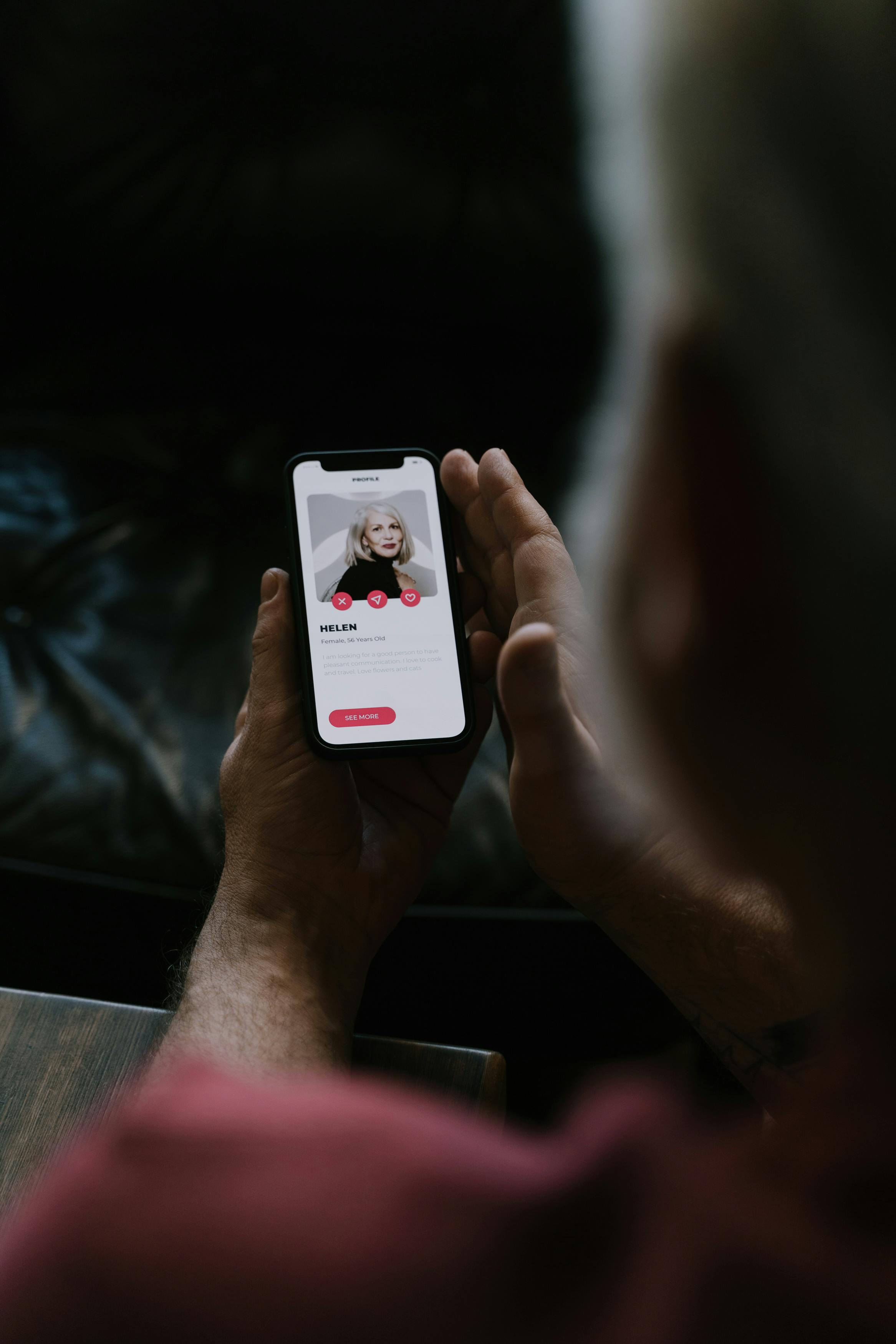
A New York dating startup has secured $2M to test a provocative thesis: that singles frustrated with swipe fatigue will pay £130 for a single curated introduction—and that a ghosting refund policy can create the accountability that freemium apps have failed to deliver. Sitch's model inverts the economics of dating apps entirely, charging upfront for vetted matches introduced via AI and refunding users if the other person doesn't show or disappears after the date.
Whether this actually works at scale—or whether it's viable outside Manhattan's high-earning, date-saturated singles market—is the question every operator should be asking.
The ghosting refund is clever marketing, but the real test is whether Sitch's economics hold once they expand beyond early adopters willing to pay £130 for a single introduction. Traditional matchmakers charge thousands because curation is labour-intensive; Sitch is betting AI can compress those costs enough to operate profitably in the £90–160 range.
Create a free account
Unlock unlimited access and get the weekly briefing delivered to your inbox.
If they're wrong, this becomes an expensive customer acquisition exercise dressed up as a dating app. If the model proves out, it demonstrates that enough singles will pay for accountability—and that should worry the freemium operators who've spent a decade conditioning users to expect dating apps for free.
Paid matching as a counterposition to Tinder fatigue
Sitch enters a market where dissatisfaction with swipe-based apps has become a competitive moat for anyone offering an alternative. Match Group, Bumble, and the broader freemium cohort have been criticised—by users, media, and now regulators—for allegedly suppressing matches to drive subscription conversions. Dating app usage remains high, but sentiment has soured.
The opening for paid, curated models is real. But Sitch isn't the first to try.
The League charged premium fees for selective matching and never scaled beyond niche urban markets before pivoting to a broader model. Thursday, the UK-based one-day-a-week app, differentiated on scarcity and eventually added in-person events because the app alone couldn't sustain engagement. Feels, another AI-driven matchmaker that positioned itself as anti-swipe, shut down in 2023 after failing to gain traction outside early adopter cohorts.
What Sitch has that earlier entrants lacked is timing. The AI infrastructure to deliver voice-based onboarding at scale—using ElevenLabs' voice synthesis for its AI matchmaker, "Marissa"—didn't exist three years ago at accessible price points. Nor did the same level of user fatigue with the incumbents.
The economics of refunds and curation
The refund policy is the headline, but the unit economics are what matter. Sitch charges $90–160 per introduction depending on the subscription tier, positioning it well above any mainstream dating app but far below traditional matchmakers, who typically charge $3,000–15,000 annually. The company has not disclosed what percentage of users have claimed refunds, nor has it detailed the criteria that trigger a payout.
Does a no-show count? What about a post-date unmatch? The lack of clarity here matters, because if refunds are common, the model collapses. If they're rare, the policy is mostly marketing.

Curation is the other cost centre. Sitch uses AI to conduct voice-based onboarding interviews, which it says reduces catfishing and low-effort profiles. Users answer questions about preferences, dealbreakers, and dating goals in a 10–15 minute conversation with "Marissa," who then matches them with compatible singles.
Voice-based onboarding introduces friction—exactly what freemium apps have spent 15 years trying to eliminate.
The bet here is that singles frustrated with low-quality matches will tolerate more upfront work for better outcomes. The competitive context is that every dating operator is now experimenting with AI-assisted curation. Tinder introduced AI-powered photoselection and conversation starters. Hinge added voice prompts. Bumble announced AI-powered opening moves and profile optimisation tools at its February 2024 investor day.
None of these features charge upfront or position themselves as replacements for swiping—they're additive features designed to increase engagement within the existing freemium model. Sitch is betting that the model itself is broken, and that enough users will pay to skip it entirely. The $2M round from a16z's Speedrun gives them runway to test that thesis, but the early traction—5,000 matches, 500 dates—is still confined almost entirely to New York.
What happens when the refund bill comes due
The forward question is whether Sitch's model survives contact with a larger user base. Paid matching has always worked for a segment of the market—professional matchmakers have existed for decades. But the middle market between free apps and $10,000 matchmakers has remained stubbornly difficult to monetise at scale.
Sitch's AI-driven approach compresses costs, but it also compresses the personalisation that justifies high prices. If Sitch can demonstrate strong retention and low refund rates outside New York, expect other operators to test paid, curated models as a hedge against freemium fatigue.
If refunds spike or user acquisition costs exceed what the pricing can support, this becomes another cautionary tale about the gap between what singles say they want and what they'll actually pay for. The ghosting guarantee makes for sharp positioning. Whether it makes for sustainable economics is what matters.
- Watch whether Sitch can maintain low refund rates as it scales—if the ghosting guarantee becomes expensive, the model breaks
- The real test is geographic expansion beyond New York into markets where singles are less concentrated and less willing to pay premium prices
- If AI-driven curation proves viable in the £90–160 price range, expect freemium operators to launch paid tiers as a hedge against user fatigue
Comments
Join the discussion
Industry professionals share insights, challenge assumptions, and connect with peers. Sign in to add your voice.
Your comment is reviewed before publishing. No spam, no self-promotion.