

ARCHER's Sober Curious Feature: A Niche Play or Industry Shift?
- The word 'sober' now appears 62% more frequently in ARCHER dating app profiles than the word 'drinks'
- Gallup polling shows 65% of young adults now view alcohol consumption as harmful to health—a record high
- ARCHER launched its 'Sober Curious' community feature on Valentine's Day with a Ritual Zero Proof partnership
- Match Group (MTCH) and Bumble (BMBL) have remained silent on sober features despite claims to lead on authentic connection
Gay dating app ARCHER has launched a dedicated 'Sober Curious' community feature, partnering with Ritual Zero Proof to stock non-alcoholic spirits at recommended date venues. The timing—Valentine's Day—may be calculated, but the underlying data suggests something more substantive: profile mentions of 'sober' now outpace 'drinks' by 62%, marking a potential inversion for platforms where alcohol has long been the default first-date proposition. If accurate, this shift appears particularly pronounced amongst LGBTQ+ users, a demographic for whom bar culture has historically provided essential community infrastructure.
This isn't just wellness trend-chasing. ARCHER's move to build dedicated infrastructure around sobriety—rather than simply nodding to it in a blog post—suggests platforms now see non-drinking users as a viable segment worth retaining, not an edge case. Whether this translates beyond niche gay apps to the mainstream operators remains the critical question. Match Group (MTCH) and Bumble (BMBL) have remained conspicuously silent on sober features despite both companies routinely claiming to lead on 'authentic connection'. ARCHER's data may force their hand.

When the defaults stop working
The broader cultural backdrop supports what ARCHER's profile data suggests. Figures from Gallup, cited by the company, indicate that 65% of young adults now view alcohol consumption as harmful to health—a record high in the polling firm's tracking. That doesn't mean two-thirds of singles are teetotal; viewing something as unhealthy and actively avoiding it occupy different behavioural territory entirely. But it does indicate a meaningful shift in how a generation frames drinking, which inevitably reshapes how they approach socialising around romance.
Create a free account
Unlock unlimited access and get the weekly briefing delivered to your inbox.
Dating platforms have operated for years on the assumption that 'meeting for drinks' solves the awkwardness problem. Alcohol smooths nerves, venues are plentiful, and the format allows for easy escalation or graceful exit. Coffee dates exist, certainly, but they've long carried a whiff of the perfunctory—the screening interview rather than the romantic encounter.
What ARCHER is attempting, alongside brands like Ritual, is to build equivalent infrastructure for people who want the social signalling of a 'proper' date without the alcohol.
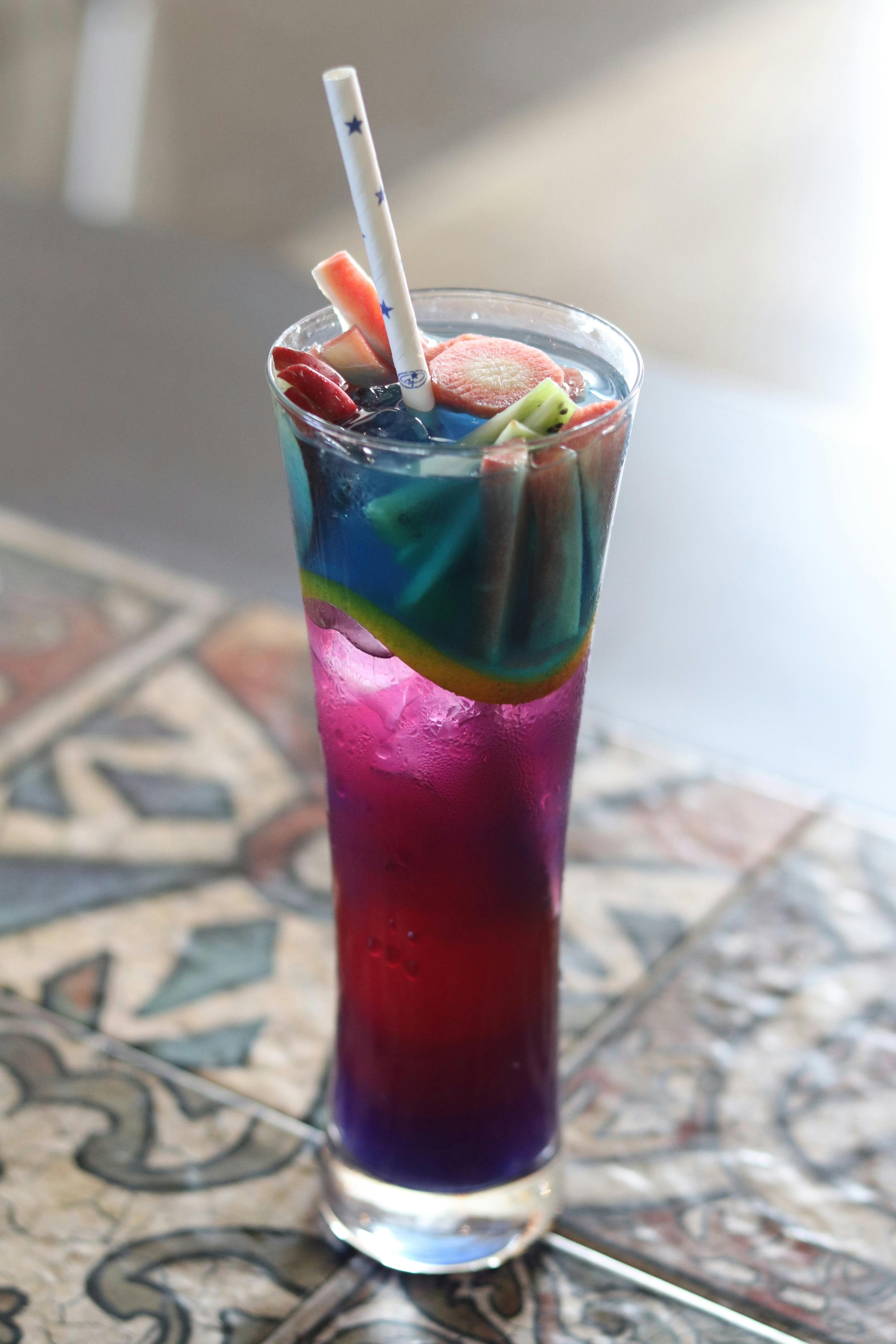
Ritual's partnership places its zero-proof spirits in what the brand describes as 'sober-friendly' venues, effectively creating a network of locations where ordering a non-alcoholic drink doesn't code as either virtue signalling or early pregnancy. The company claims to be the leading brand in the non-alcoholic spirits category, though it has not disclosed market share figures publicly and faces growing competition from the likes of Seedlip, Lyre's, and Ghia.
Why gay apps may be moving first
That ARCHER is leading here rather than Tinder or Hinge carries significance beyond company size. Gay bar culture has served a function that extends well past dating—it's been one of the few physical spaces where LGBTQ+ people could be visible, meet others, and build community in cities where broader social infrastructure remained hostile or indifferent. The decline of gay bars, documented across major cities over the past decade, has often been attributed to dating apps making the spaces less essential. Adding sobriety to that equation complicates the dynamic further.
If apps now provide both the matching function and the sober-first socialising model, the remaining draw of physical gay spaces narrows considerably. ARCHER appears to recognise this, positioning its feature not as anti-bar but as expanding options. The company has framed the Sober Curious community as existing alongside, not replacing, its other interest-based groups.
Profile keyword frequency offers a demand signal, but it doesn't confirm that users will actually attend sober venues or that matches initiated through the community feature will convert to dates.
Whether that distinction holds depends on adoption. The platform has not disclosed how many users have joined the Sober Curious community since launch, nor what engagement looks like compared to other segments.
What the mainstream operators aren't doing
The silence from larger platforms on this front becomes more conspicuous the longer it continues. Bumble (BMBL) routinely positions itself as the app for women seeking intentional connections, a framing that would seem naturally aligned with sober dating. Match Group's (MTCH) portfolio includes Hinge, which has built its entire brand narrative around being 'designed to be deleted'—yet neither company has announced features, partnerships, or even content initiatives around non-drinking users.
That may reflect strategic caution. Building dedicated infrastructure for sober users risks alienating the majority who still view drinks as an acceptable, even preferable, first-date option. Creating a separate community or filter also risks stigmatising the very users it aims to serve, marking them as requiring special accommodation rather than simply having a preference.
ARCHER's approach—allowing users to self-select into the community without mandating it—attempts to navigate that tension. Time will tell whether mainstream apps conclude the segment is large enough to warrant similar treatment, or whether they'll continue to rely on users filtering through bio text and early conversation.
The competitive dynamic worth watching is whether sober-first features become a point of differentiation in marketing, particularly as platforms scrape for user growth in an increasingly saturated market. ARCHER's Valentine's Day timing suggests it views this as brand-building territory, not just product development. If the feature drives meaningful press coverage and user acquisition, expect copycats within the quarter.
The longer play concerns whether this shift meaningfully changes dating behaviour or simply creates new labelling for existing preferences. People who don't drink have always found ways to navigate dating apps; the question is whether dedicated features expand the pool of people willing to date sober, or merely make existing behaviour more visible. ARCHER's profile data hints at the former. Whether that converts to revenue—through premium subscriptions, venue partnerships, or other monetisation—will determine if this is the start of infrastructure change or simply feature theatre dressed in wellness language.
- Watch whether Match Group and Bumble respond with their own sober-focused features within the next quarter—ARCHER's profile data may force mainstream platforms to acknowledge non-drinking users as a viable segment worth dedicated infrastructure
- The critical test is whether sober features expand the pool of people willing to date without alcohol, or simply make existing preferences more visible—conversion to actual dates and revenue will determine if this represents genuine infrastructure change
- Gay apps may be leading because bar culture decline and sobriety create a unique pressure point for LGBTQ+ socialising infrastructure, making ARCHER's move potentially more essential than aspirational for its user base
Comments
Join the discussion
Industry professionals share insights, challenge assumptions, and connect with peers. Sign in to add your voice.
Your comment is reviewed before publishing. No spam, no self-promotion.