

Tinder, Hinge, Bumble: $311M Revenue Proves Lock-In Beats Innovation
- Tinder, Hinge, and Bumble generated a combined $311 million in April 2025, the highest monthly revenue on record for the trio
- Hinge now charges up to £45 monthly for premium access, more than double the roughly £20 it commanded in 2020
- Hinge's revenue surged 67% since January whilst Bumble posted 25% year-on-year growth despite user backlash over feature restrictions
- Match Group controls both Tinder and Hinge, meaning users switching in protest often just move revenue between corporate siblings
When dating apps more than double subscription prices without triggering material churn, you're witnessing either genuinely differentiated products or a market where switching costs have become prohibitively high. The likeliest explanation is the latter. April 2025's record $311 million haul from Tinder, Hinge, and Bumble reveals pricing power that should make regulators take notice.
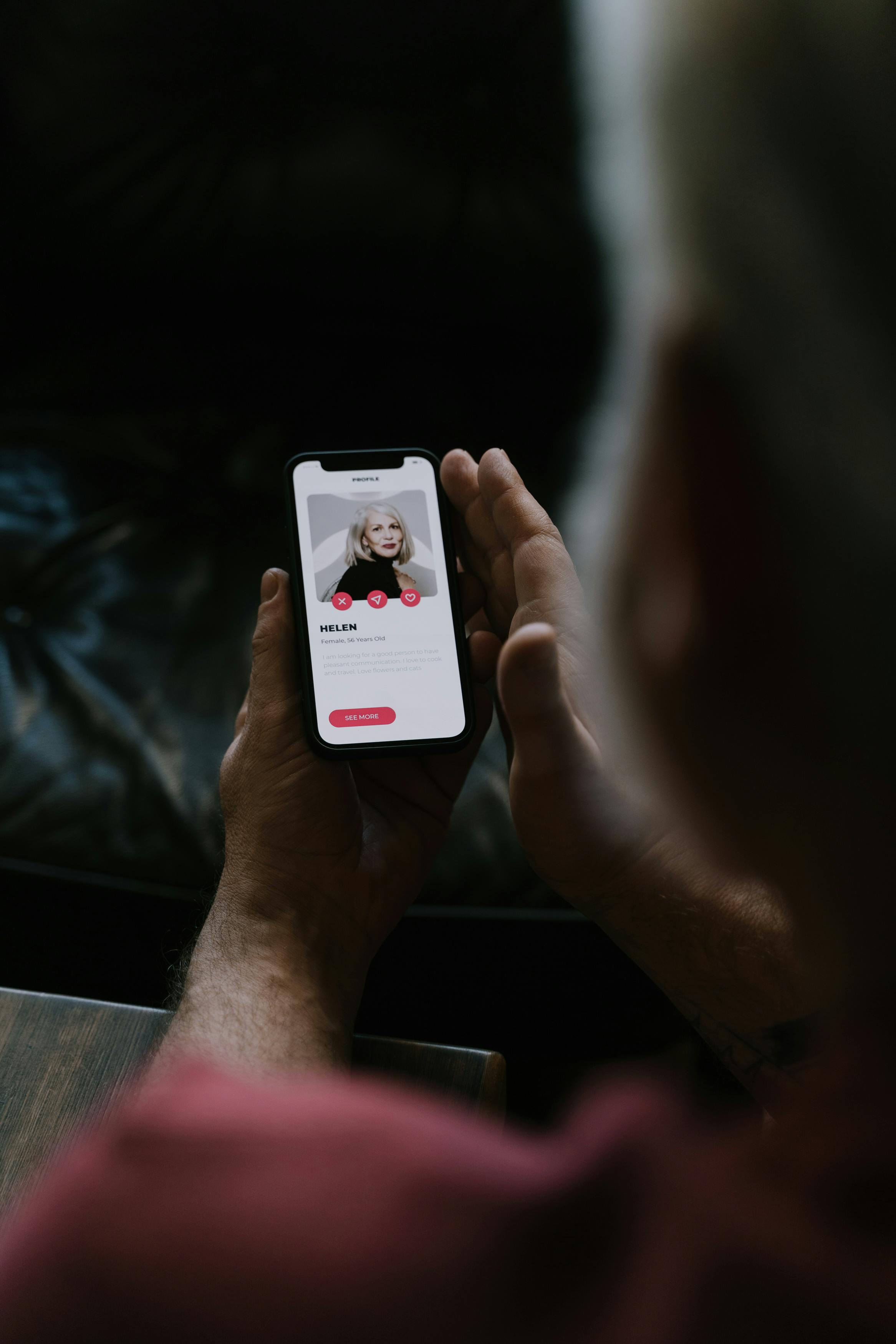
Match Group's Tinder and Hinge, along with Bumble, pulled in an estimated $311 million combined in April 2025, according to data from app analytics firm Appfigures. The figure marks the highest monthly revenue haul on record for the trio, driven by Hinge's 67% growth since January and sustained expansion at Bumble despite vocal user backlash over feature restrictions. What makes the numbers striking isn't the growth itself—it's that all three apps achieved it whilst substantially raising subscription prices, some by more than 100% over five years.
Hinge now charges up to £45 monthly for premium access, more than double the roughly £20 it commanded in 2020. Tinder and Bumble have followed similar trajectories. Yet users haven't fled. They've paid more.
Create a free account
Unlock unlimited access and get the weekly briefing delivered to your inbox.
The Lock-In Economy
Dating apps have built moats not through innovation but through accumulated social graphs, conversation history, and the psychological sunk cost of months spent swiping. That's not a competitive market. That's a lock-in economy.
This is the pricing power that dating executives dream about and regulators should scrutinise. When apps can more than double subscription costs without triggering material churn, you're looking at either genuinely differentiated products or a market where switching costs—emotional, social, temporal—have become prohibitively high. The likeliest explanation is the latter.
Premium Features or Premium Desperation?
Hinge's 67% revenue climb since January sits alongside what Appfigures describes as expanded premium tiers and enhanced features. The company has layered on AI-powered profile feedback, advanced filtering, and priority visibility—ostensibly justifying the price increases through added utility. Whether users actually find these features worth £45 monthly or simply feel compelled to pay because their matches, conversations, and months of effort live inside the app is the question Match Group won't answer in earnings calls.

Bumble's trajectory offers a more pointed case study. The app reported 25% year-on-year revenue growth for April despite what Appfigures characterises as 'backlash over recent changes that reduced free features'. That disconnect between user sentiment and spending behaviour reveals something uncomfortable about dating app economics: complaints don't convert to cancellations.
When founder Whitney Wolfe Herd returned as CEO earlier this year, she inherited an app where monetisation had clearly outpaced goodwill. Yet the revenue kept climbing. Tinder's estimated performance remains robust, though Appfigures didn't break out specific growth figures.
Context Matters—But Doesn't Excuse Everything
Appfigures positions the dating revenue surge within broader app economy trends, noting that mobile spending hit record levels in April across categories. Even niche tools like plant and dog identifier apps saw upticks, suggesting that normalised mobile payment behaviour and improved checkout flows have reduced friction across all subscription products. That context is real and worth acknowledging.
But it doesn't fully explain dating's pricing resilience. Food delivery apps and streaming services face intense competition and substitution risk—if Netflix raises prices, you can switch to Disney+. If Tinder raises prices, switching to Hinge means rebuilding your entire match history, rewriting your profile, and hoping the people you've been talking to also migrate.
Competitors in dating aren't offering substitutes; they're offering fresh starts, which most users avoid until forced.
That structural difference gives incumbents pricing power that other subscription categories can't replicate. Match Group controls both Tinder and Hinge, meaning users "switching" in protest often just move revenue between corporate siblings. Bumble operates independently but faces the same dynamic in reverse: where else will users go?
What Operators Should Watch
The Appfigures data, whilst third-party estimates rather than disclosed company figures, aligns with recent earnings commentary from both Match Group and Bumble. Match reported average revenue per paying user (ARPPU) growth across its portfolio in Q1 2025, driven by what CFO Gary Swidler described as 'ongoing optimisation of our pricing and packaging strategies'. Bumble similarly flagged premium tier adoption as a revenue driver, even as total paying user counts showed more modest growth.
That divergence—rising revenue per user outpacing user growth—defines the current monetisation playbook. Operators are extracting more from existing subscribers rather than expanding the base. It works until it doesn't. The risk isn't immediate churn; it's gradual disengagement as users who can't justify £45 monthly reduce session frequency, stop paying, and eventually delete apps altogether.
Regulatory pressure adds another variable. The UK Online Safety Act and the EU Digital Services Act both impose new compliance costs on platforms, particularly around age verification, content moderation, and transparency reporting. Those costs will either compress margins or get passed to users. Given April's pricing trends, operators will choose the latter.
Smaller apps and new entrants face a different calculus. They lack the installed base and social graph lock-in that lets Match Group and Bumble raise prices without bleeding users. Niche platforms built around specific communities or match methodologies can't rely on switching costs—they need genuine product differentiation. That's harder to build and easier to copy.
April's revenue haul will embolden dating executives to keep testing price ceilings. The data suggests they haven't found the limit yet. Whether that's because users genuinely value what they're paying for or because loneliness has inelastic demand curves is a question the industry would rather not answer.
- The pricing power demonstrated by dating apps signals market lock-in rather than product innovation—regulators should scrutinise switching costs and competitive dynamics
- Watch for the monetisation tipping point: rising revenue per user works until users who can't justify premium pricing disengage entirely, creating delayed churn that won't appear in quarterly results for months
- New compliance costs from the UK Online Safety Act and EU Digital Services Act will likely be passed directly to users, pushing subscription prices even higher and accelerating market consolidation
Comments
Join the discussion
Industry professionals share insights, challenge assumptions, and connect with peers. Sign in to add your voice.
Your comment is reviewed before publishing. No spam, no self-promotion.


