
Match and Bumble's Event Pivot: A Desperate Bid or Strategic Shift?
- Match Group's average revenue per paying user was roughly $16 in Q3 2024, whilst premium matchmaking services charge £200-2,000 per client
- Grindr maintained a stable 11% paying user conversion rate in Q3 2024 as generalist dating apps face declining engagement
- Gen Z users are increasingly routing romantic interest through Instagram DMs, TikTok comments, and Discord servers instead of dedicated dating platforms
- Tinder serves 75 million users globally due to near-zero marginal costs, whilst in-person events require venue rental, staff, and capacity constraints
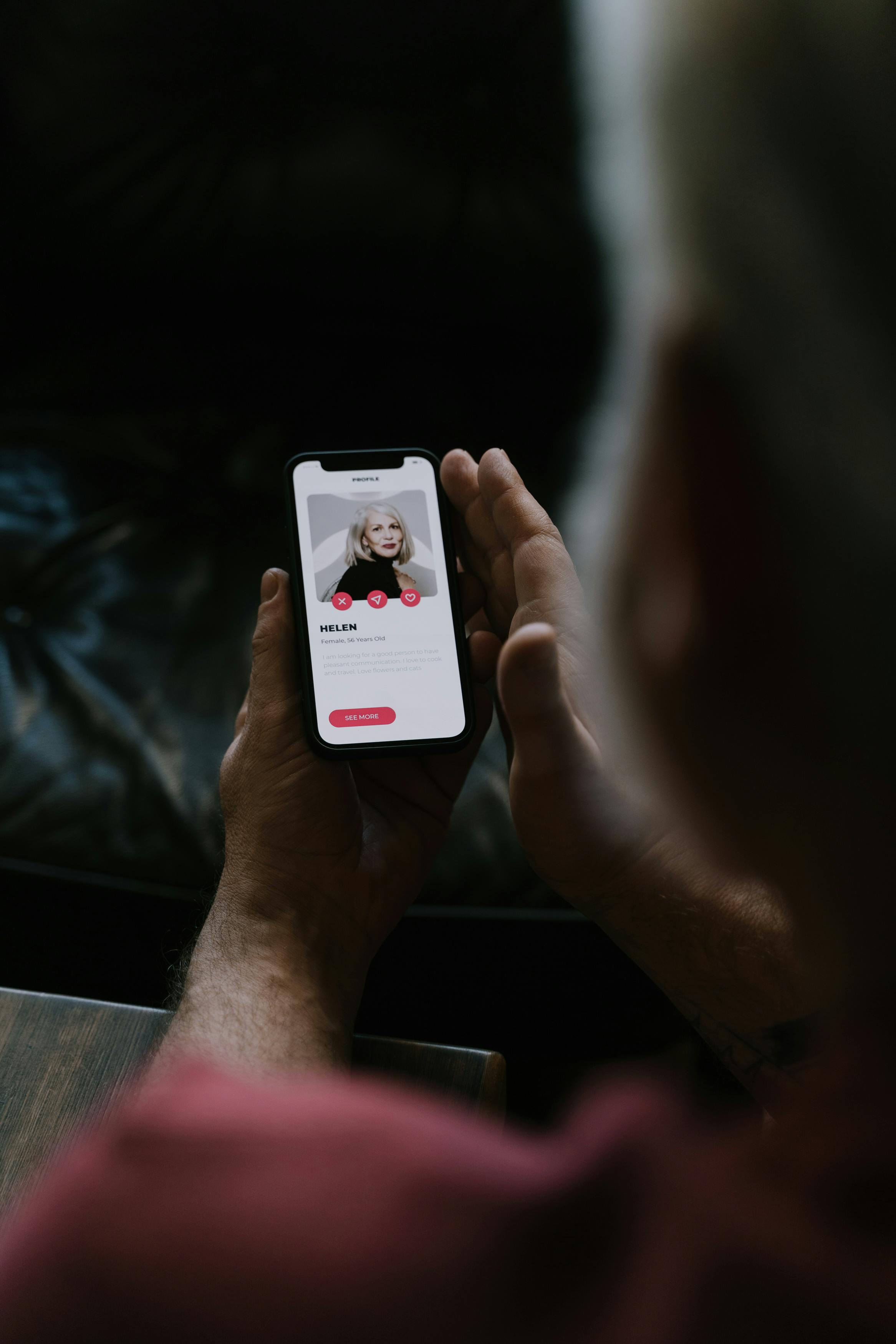
Match Group and Bumble are scrambling to reinvent their products for an audience that's already moved on. Hinge has expanded video prompts, Tinder's hosting real-world events, and The League has pivoted to personalised matchmaking. These aren't strategic innovations—they're panic moves responding to Gen Z treating dating apps like disposable software.
The problem isn't dissatisfaction with specific features. It's structural rejection. Gen Z singles are routing romantic interest through Instagram DMs, TikTok comments, and Discord servers instead of dedicated dating platforms. The shift doesn't show up cleanly in monthly active user figures yet, because most haven't formally quit—they've simply stopped engaging. That's worse than outright churn, because ghost users don't convert to premium tiers.

The industry's pivot to events and curated experiences is admission that the swipe model has exhausted its product-market fit with younger cohorts. But bolting on video features and hosting mixer nights won't solve the core problem: dating apps optimised for engagement metrics, not relationship formation, and users have worked that out.
Create a free account
Unlock unlimited access and get the weekly briefing delivered to your inbox.
The real story here isn't feature development—it's whether the unit economics of dating can survive a return to high-touch, low-volume models that look suspiciously like traditional matchmaking with an app wrapper.
Revenue models under pressure
Dating apps built their businesses on freemium conversion at scale. Tinder Gold and Bumble Boost work because a small percentage of millions of users will pay £15–30 monthly for visibility advantages. That model collapses if your addressable market contracts or engagement drops below the threshold where users care about optimisation.
Personalised matchmaking flips the economics entirely. Services charging £200–2,000 for curated introductions operate on boutique margins with hands-on overhead. Match Group's average revenue per paying user across all brands sat at roughly $16 in Q3 2024, according to the company's latest earnings disclosure. Premium matchmaking services command 10–100x that figure, but serve a fraction of the volume.
Transitioning an established platform with millions of users towards that model isn't a product pivot—it's a different business entirely. The League's shift is instructive here. Launched in 2015 as an exclusive, algorithmic platform for career-focused singles, it's now positioning human matchmakers as the value proposition. That's not iteration—it's retreat from the premise that software alone can replace human judgement in romantic pairing.

The Instagram problem
Social platforms becoming dating's background infrastructure creates a curious competitive dynamic. Instagram and TikTok don't optimise for romantic matching, don't monetise romantic intent directly, and don't face dating-specific regulatory scrutiny around age verification or safety protocols under frameworks like the Online Safety Act. Yet they're capturing relationship formation volume without the compliance burden or revenue recognition.
Meta could, theoretically, build dating features into Instagram that leverage its social graph far more effectively than any standalone app. It already tried this with Facebook Dating, launched in 2019, which has gained minimal traction despite the distribution advantage. The product failed not because Meta couldn't build matching algorithms, but because users compartmentalise.
That compartmentalisation may be eroding with Gen Z, who treat social platforms as multi-purpose communication layers rather than distinct networks. If romantic signalling and initiation become just another interaction mode within Instagram—not a separate product, but simply how people use the platform—then dating apps face an existential problem. They're competing against behaviour, not products.
What events actually solve
Match Group and Bumble's push into in-person events addresses one specific user complaint: app interactions feel low-stakes and disposable, leading to endless messaging that goes nowhere. Events force commitment. You either show up or you don't. That binary is clarifying in ways that chat threads aren't.
But events don't scale like software. Tinder can theoretically serve 75 million users globally because match algorithms and chat infrastructure have near-zero marginal cost per user. Hosting mixers in London, Manchester, and Bristol requires venue rental, staff, liability insurance, and capacity constraints.
Bumble's experimentation with branded events in major metros makes sense as brand marketing and premium user retention. It makes no sense as a replacement revenue model.
The question operators need to answer is whether events are customer acquisition costs disguised as product features, or genuine business lines. If the goal is simply to remind lapsed users that the app exists and stop them deleting it, that's retention marketing with a price tag. If the goal is to charge for event access at margins that justify the operational overhead, then dating companies are entering the hospitality business—which has its own unit economics, entirely separate from software.

Watch premium tier attachment rates
The next two quarters of earnings will show whether these product shifts translate to revenue stabilisation or simply represent spend without return. Specifically, watch what percentage of free users convert to paid tiers across Hinge, Tinder, and Bumble. If video prompts and curated features move that needle, the feature theatre is working. If conversion rates continue sliding despite the product investment, operators are adding complexity without solving the underlying engagement problem.
Grindr offers a useful comparison point. Its paying user percentage has held relatively stable around 11% even as the broader market wobbles, according to the company's Q3 2024 earnings. That's partly because its user base skews older and more willing to pay, but also because the app serves a specific use case—proximity-based meeting for a community with limited alternatives. Generalist dating apps face competition from dozens of platforms, including non-dating social networks.
The dating industry's Gen Z problem isn't about building better features. It's about whether the core product—algorithmic matching at scale—remains defensible when social platforms offer 'good enough' romantic discovery as a side effect of their primary function. Events and matchmakers are expensive hedges against that possibility. Whether they're viable businesses or just expensive marketing spend will become clear when the next round of earnings calls forces executives to defend user growth guidance.
- Monitor premium conversion rates across major platforms in the next two quarters—if video features and events don't move the needle, operators are adding cost without solving engagement decline
- The shift to high-touch matchmaking and events represents a fundamental business model change, not a product enhancement—dating companies may be exiting software economics for hospitality and services
- Social platforms capturing romantic discovery as a secondary function poses an existential competitive threat that new features cannot address—the battle is against user behaviour, not rival apps
Comments
Join the discussion
Industry professionals share insights, challenge assumptions, and connect with peers. Sign in to add your voice.
Your comment is reviewed before publishing. No spam, no self-promotion.