
Grindr's Festival Takeover: A Survival Strategy Beyond Digital
- Grindr reported 14.0 million monthly active users in Q4 2024, representing 8% year-on-year growth
- Average revenue per paying user reached $73.07, up 12% year-over-year
- The UK has lost more than 50 LGBTQ+ venues since 2006, according to UCL's Urban Laboratory
- Mighty Hoopla attracts approximately 40,000 attendees annually
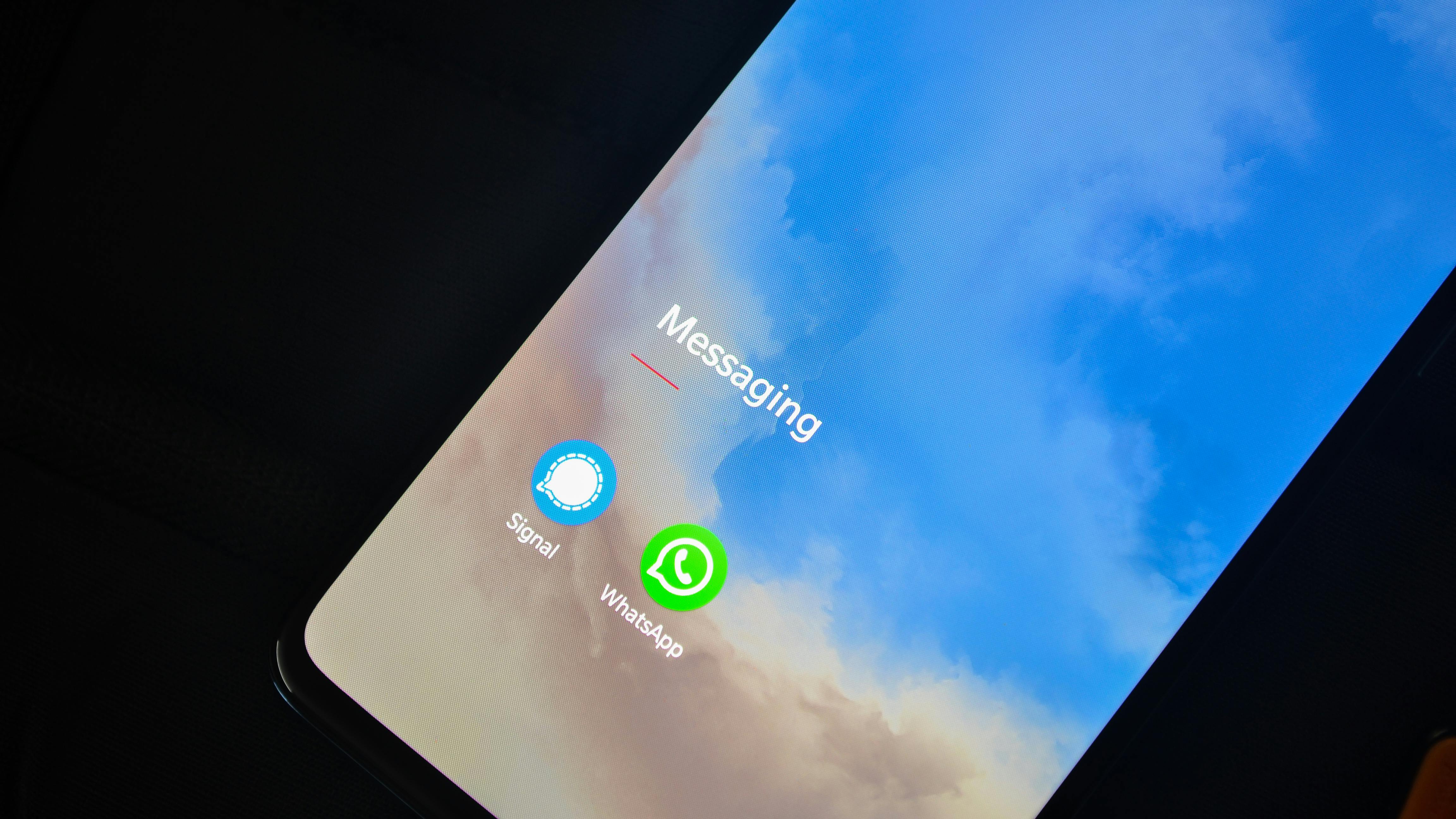
Grindr is taking over a section of London's Mighty Hoopla festival next month, branding an entire area as 'The Gaybourhood' complete with three themed stages and promotional activations. The move marks the European leg of what's shaping up to be a sustained strategy of physical presence, following the company's 2024 'Grindr Rides America' tour across multiple US cities. This isn't a one-off Pride sponsorship but part of a broader European tour strategy, positioning Grindr not just as a digital platform but as a curator of physical queer spaces.
Dating apps are discovering what nightclub operators have always known: you can't monetise loneliness forever.
Grindr's festival strategy looks less like marketing theatre and more like survival positioning as the company confronts the twin threats of app fatigue and dwindling physical queer venues. Whether this translates into subscriber retention or just expensive brand awareness remains the open question, but the strategic signal is clear. The industry is hedging against a future where pure digital matchmaking may not be enough.
From swipe platform to event promoter
The timing deserves scrutiny. Grindr reported 14.0 million monthly active users in Q4 2024, representing 8% year-on-year growth, but the broader dating market continues to grapple with retention headwinds. Match Group has repeatedly flagged user fatigue in earnings calls, whilst Bumble underwent a complete brand repositioning last year after acknowledging that its core product had created 'dating burnout'.
Create a free account
Unlock unlimited access and get the weekly briefing delivered to your inbox.
Grindr's physical expansion arrives precisely as the market confronts uncomfortable questions about whether app-based dating has reached saturation. The company's decision to brand entire festival areas rather than simply sponsor stages or run banner ads suggests a recognition that passive digital engagement may be giving way to demand for facilitated real-world connection.
What makes the Gaybourhood concept particularly notable is its competitive context. The UK has lost more than 50 LGBTQ+ venues since 2006, according to figures from UCL's Urban Laboratory, with particular concentration in closures of queer pubs and community spaces outside central London. Grindr's branded festival presence positions the company—somewhat paradoxically—as both the digital disruptor that contributed to venue closures and now potentially as a provider of temporary physical safe spaces.
The economics deserve examination. Festival partnerships of this scale typically require six-figure commitments when factoring in stage builds, staffing, and promotional integration. For context, Mighty Hoopla attracts approximately 40,000 attendees annually. Even assuming high Grindr penetration amongst that audience, the direct subscriber acquisition cost per attendee would be substantial unless the company is modelling this as brand reinforcement rather than performance marketing.
The retention calculus behind IRL activations
Operators watching Grindr's moves should consider what this signals about the company's view of its own product lifecycle. Dating apps have historically struggled with the 'success paradox'—successful matches mean churned users. Physical events offer a different value proposition: creating ongoing community touchpoints that don't require users to delete the app when they couple up.
Grindr disclosed in its Q4 2024 earnings that average revenue per paying user reached $73.07, up 12% year-over-year, driven primarily by premium tier subscriptions. Those tiers increasingly bundle features beyond core messaging—including travel mode, enhanced search filters, and now presumably priority access to branded events. The festival strategy potentially creates a new membership benefit that justifies premium pricing whilst generating brand affinity that pure digital features cannot.
The strategic question is whether this model scales.
A European tour encompassing multiple festivals requires operational infrastructure that most dating platforms lack. Match Group has experimented with singles events through its brands, but nothing approaching the sustained physical presence Grindr appears to be building. Bumble ran pop-up experiences in select cities but scaled back after 2023. The difference may be audience: LGBTQ+ users have historically shown higher willingness to pay for community spaces and experiences, particularly as physical venue options contract.
What operators should watch
The broader industry implication centres on whether dating apps can successfully pivot from pure technology platforms to lifestyle brands with physical presence. That shift requires different capabilities: event operations, venue partnerships, local market knowledge, and substantially higher marketing expenditure as a percentage of revenue.
Grindr's advantage is its position within a community that already organises around shared physical spaces and events. Replicating this for heterosexual dating apps would face different challenges—less concentrated demand, weaker community identity, and competition from general lifestyle brands rather than purpose-built queer venues.
For trust and safety teams, the expansion into physical events creates new liability considerations. Platforms that facilitate real-world meetups assume different duty-of-care obligations than purely digital services, particularly under evolving frameworks like the UK Online Safety Act. Any incident at a branded event becomes a brand crisis in ways that platform-based interactions may not.
The measurement challenge will define whether other operators follow Grindr's lead. Festival activations generate brand impressions and social content, but attributing them to subscriber growth, retention improvement, or lifetime value increase remains notoriously difficult. If Grindr can demonstrate that physical presence drives measurable platform engagement or reduces churn, expect Match Group and Bumble to accelerate their own IRL strategies. If the economics don't materialise beyond brand marketing, this remains an expensive experiment available primarily to companies with Grindr's specific audience and margins.
- Watch whether Grindr can prove measurable ROI from festival activations through subscriber retention metrics or reduced churn—this will determine if competitors follow suit
- The shift from pure digital platform to physical event curator signals industry recognition that app-based dating may have reached saturation and requires new engagement models
- Trust and safety obligations escalate significantly when platforms move into physical spaces, creating new liability frameworks under regulations like the UK Online Safety Act
Comments
Join the discussion
Industry professionals share insights, challenge assumptions, and connect with peers. Sign in to add your voice.
Your comment is reviewed before publishing. No spam, no self-promotion.