

Gen Z's Authenticity Demand: A Product Design Dilemma for Dating Apps
- 90% of Gen Z dating app users value authenticity in potential partners, yet most admit they struggle to present their actual selves on platforms
- 44% of women report anxiety about presenting themselves authentically compared to 28% of men, whilst 52% of men fear rejection versus 36% of women
- Hily surveyed 2,500 of its own Gen Z users, revealing a gap between what users claim to want and what dating app mechanics encourage
- Bumble reported declining engagement among younger users in Q3 2024, citing fatigue with traditional dating app experiences
Gen Z singles demand authenticity from their matches but cannot deliver it themselves, exposing a fundamental contradiction at the heart of modern dating apps. New survey data from Hily reveals that whilst 90% of young users value realness in potential partners, the majority admit they struggle to present their actual selves on platforms—hamstrung by anxiety, fear of rejection, and pressure to meet perceived algorithmic standards. The gap between what users say they want and what dating app mechanics reward has become impossible to ignore.
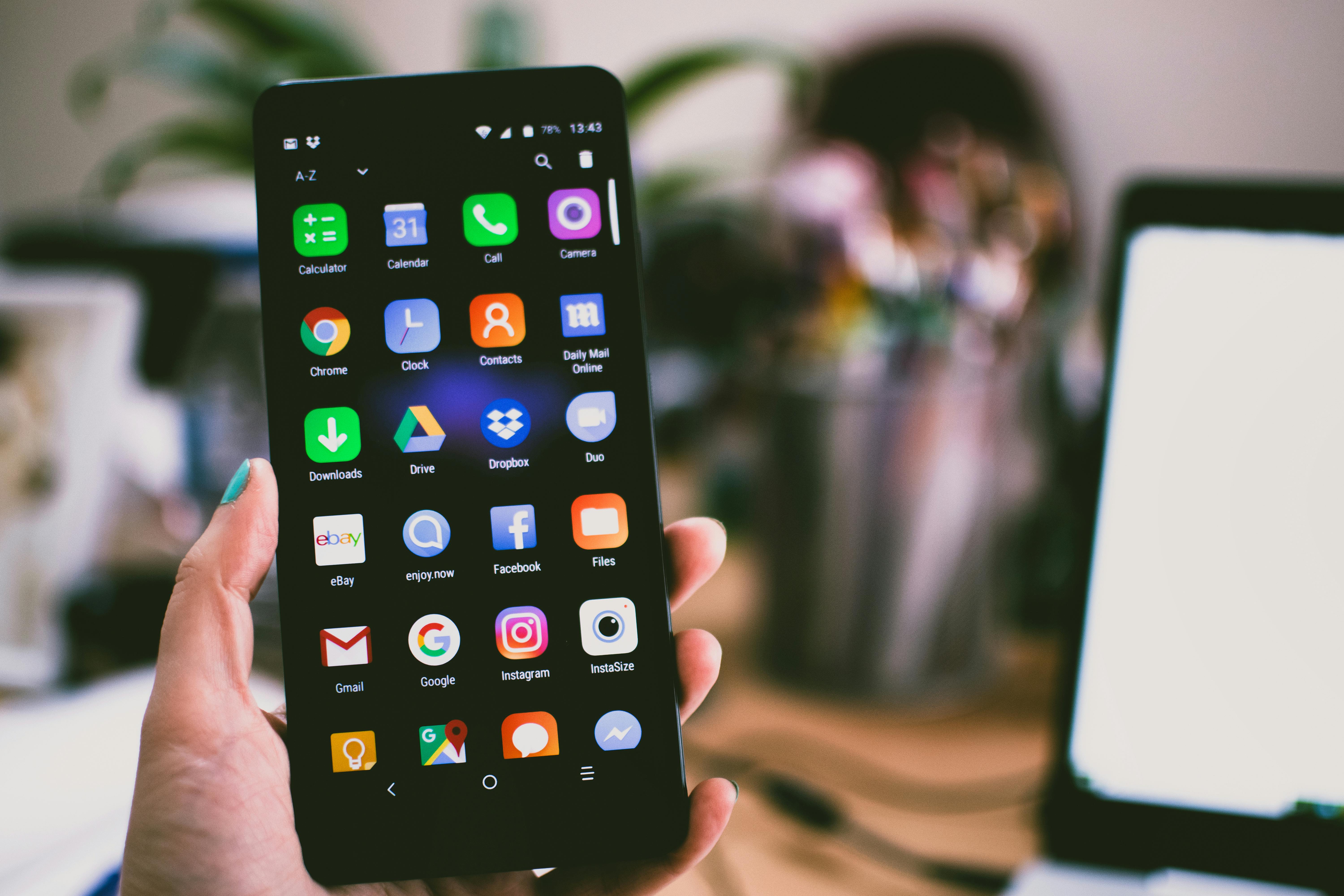
The contradiction is not subtle. The same cohort that claims to prize authenticity above all else is simultaneously curating profiles designed to meet algorithmic and social expectations rather than reflect who they actually are. What makes this particularly uncomfortable for dating operators is that it suggests the product itself—the swipe-first, photo-led, gamified mechanics that underpin most mainstream apps—may be actively working against what users say they want.
This is not just a Gen Z problem; it is a product design problem. Dating apps have spent a decade optimising for engagement metrics that reward visual polish and instant judgement, then act surprised when users feel they cannot be authentic. Hily's data is self-serving—the company has a clear commercial interest in positioning itself as the "real" alternative—but the underlying tension is real.
Create a free account
Unlock unlimited access and get the weekly briefing delivered to your inbox.
Until platforms fundamentally rethink the swipe-feed architecture, no amount of marketing about "genuine connections" will close this gap.
What the data actually shows
Hily's survey, conducted amongst its own user base, reveals gendered patterns in how authenticity anxiety manifests. Women report higher overall anxiety about presenting themselves authentically, with 44% citing it as a barrier compared to 28% of men. Men, meanwhile, express sharper fear of rejection—52% versus 36% of women—suggesting that whilst both genders struggle with realness, the psychological blockers differ.
The platform asked respondents to identify what prevents them from being authentic. The answers point to structural issues rather than individual failings. Pressure to conform to perceived platform standards ranked high, as did concern about how profiles would perform relative to others. These are not irrational fears.
Dating apps function on relative comparison: your profile appears in a feed alongside dozens of others, judged in seconds, with no context beyond what fits in six photos and 500 characters. The architecture encourages optimisation. Users learn quickly that certain types of photos, certain framings, certain tonal choices perform better.
They see what works for others and adjust accordingly. The result is convergence towards a narrow set of presentation norms—the hiking photo, the group shot that proves you have friends, the carefully casual mirror selfie. Authenticity, in this context, becomes a competitive disadvantage.
The swipe model's authenticity problem
Match Group (MTCH) and Bumble (BMBL) have both pivoted their marketing in recent quarters towards messaging around real connections and away from the gamified dating of the 2010s. Bumble's rebrand earlier this year explicitly targeted "dating app fatigue" and positioned the platform as a place for substance over superficiality. Hinge, owned by Match, has long marketed itself with the tagline "designed to be deleted"—a promise of meaningful outcomes rather than endless scrolling.
But the product mechanics have not fundamentally changed. Hinge still presents profiles in a feed. Bumble still requires a binary yes-or-no decision based primarily on photos. Tinder remains Tinder.
The swipe-first model optimises for speed and volume, which means it optimises for the most immediately legible signals: physical appearance, status markers, and polished presentation.
Authenticity is slower. It requires context, nuance, and the space to present inconsistencies without being immediately filtered out. The platforms argue they've added features to encourage depth—prompts, voice notes, video profiles. These additions layer onto an existing structure rather than replacing it. Users still know they're being judged in seconds, which means the incentive remains to lead with the most competitive version of yourself rather than the most honest one.
Commercial context matters
Hily commissioned this research, and that context is relevant. The platform, which launched in 2017 and targets a younger demographic, positions itself explicitly around authenticity and "real connections" in its marketing. Producing data that validates this positioning serves a clear commercial purpose: it allows Hily to argue that it understands a problem competitors have failed to solve.
That does not make the data fabricated, but it does mean the framing warrants scrutiny. The survey was conducted amongst Hily's own users, a self-selected group already inclined towards the platform's messaging. The questions themselves—focused on authenticity gaps and platform pressures—were designed to produce results that align with Hily's brand narrative.
The findings nevertheless resonate with broader patterns observed across the industry. Multiple platforms have acknowledged in earnings calls and product updates that users express frustration with superficiality and want more meaningful matching. Bumble's Q3 2024 results noted declining engagement among younger users, with management citing fatigue with "traditional dating app experiences" as a contributing factor. Match has publicly discussed the challenge of balancing scale with depth, particularly among Gen Z subscribers who churn faster than older cohorts.
What operators should be watching
The authenticity gap Hily's data describes is not new, but its persistence matters. Gen Z now represents the largest addressable demographic for dating apps, and if the core product experience actively discourages the behaviour this cohort claims to value, that is a retention problem waiting to materialise in revenue figures.
Several approaches are already being tested. Thursday runs ephemeral matching events rather than always-on feeds. Snack uses TikTok-style video profiles to front-load personality. Feels asks users to complete personality diagnostics before matching. None of these has reached meaningful scale, and all face the same chicken-and-egg problem: changing the matching mechanic only works if you can attract a critical mass of users willing to engage differently.
For established platforms, the challenge is harder. Match and Bumble optimised their products for a decade around metrics that reward visual curation and rapid decision-making. Reversing that creates technical debt, user confusion, and potential short-term engagement drops—none of which shareholders will applaud. But the alternative is watching Gen Z drift towards platforms that feel less at odds with how they claim they want to connect, even if those platforms are smaller and less proven.
The question is not whether Gen Z values authenticity. The data consistently suggests they do. The question is whether dating apps as currently designed can actually deliver it—or whether the industry has built a product category fundamentally misaligned with what its youngest users now expect. Many Gen Z and Millennials, tired of incessant self-curation and pointless matches, are already moving away from online dating entirely, and platforms like Hinge are racing to understand Gen Z dating trends before the demographic shifts become irreversible.
- The swipe-first architecture that dominates mainstream dating apps may be structurally incompatible with Gen Z's stated desire for authenticity, creating a product-market fit crisis for established operators
- Declining engagement among younger users at major platforms like Bumble signals this is not just a perception problem but an emerging revenue risk as Gen Z becomes the industry's largest demographic
- Alternative matching mechanics are being tested by smaller platforms, but established players face significant technical and shareholder barriers to fundamental redesign—meaning they risk losing Gen Z to platforms that feel less at odds with how this cohort wants to connect
Comments
Join the discussion
Industry professionals share insights, challenge assumptions, and connect with peers. Sign in to add your voice.
Your comment is reviewed before publishing. No spam, no self-promotion.