

Hily's Survey Exposes Dating Apps' Anxiety Economy. Will Operators Listen?
- 62% of dating app users aged 18-40 feel 'not perfect enough' when using platforms, according to a survey of 3,000 Americans
- Match Group's Hinge generated $113M in Q3 2024, up 29% year-over-year, driven by increased paying users and higher engagement
- Match Group's share price has fallen 58% since February 2021, whilst Bumble is down 88% from its IPO high
- 89% of respondents said honesty is essential in dating profiles, yet many admitted to fabricating or embellishing their own information
Match Group and Bumble have built billion-dollar businesses on the promise of connection, but emerging research suggests their products may be engineering the opposite effect. A new survey reveals that the majority of young dating app users feel inadequate and stressed by platforms designed to help them find partners. The uncomfortable reality: dating apps profit from engagement, not from successfully matching people.
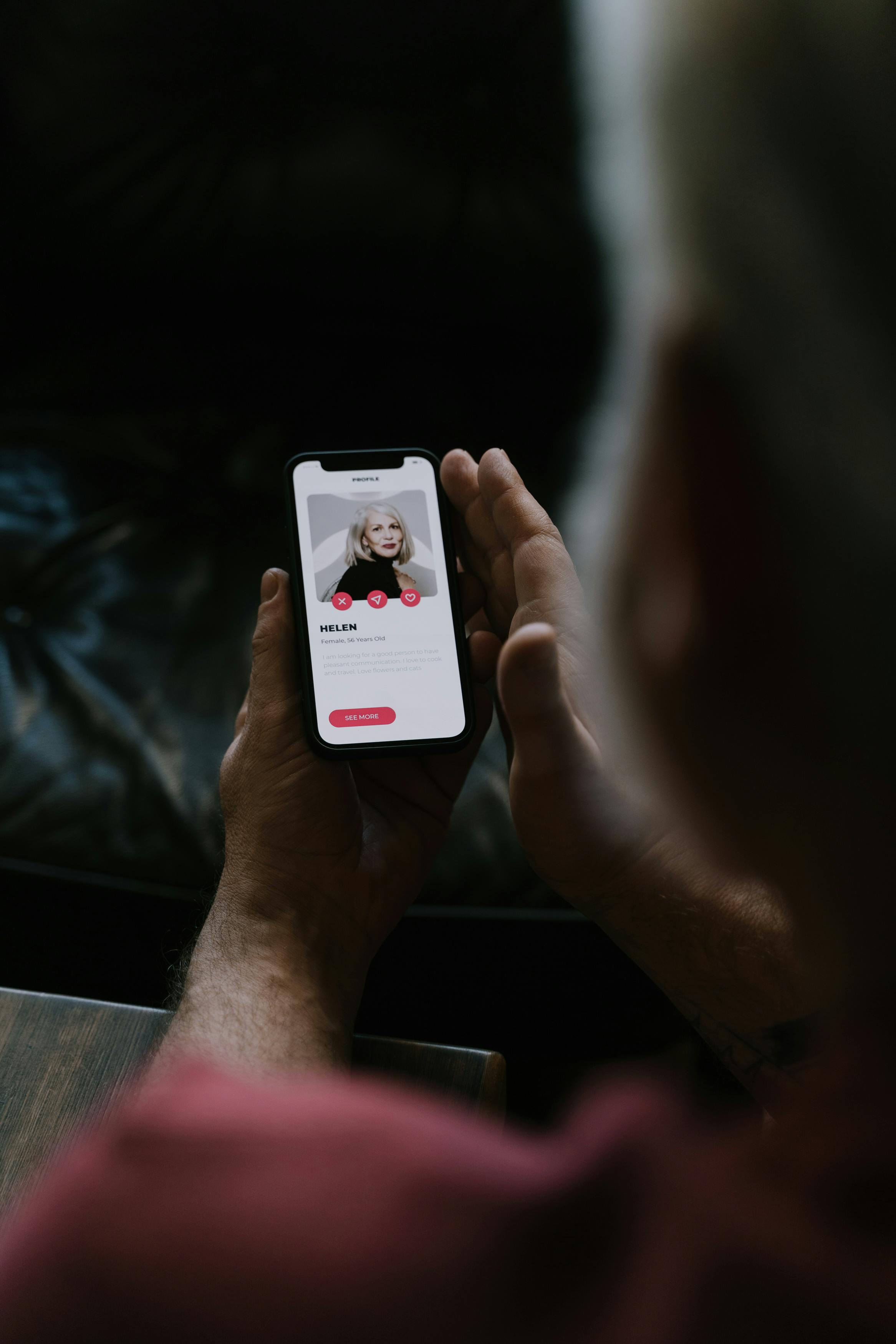
Research commissioned by dating app Hily surveyed 3,000 Americans aged 18–40 and found that 62% feel 'not perfect enough' when using dating apps, whilst over half report that unrealistic expectations have made online dating more stressful. The data points to a mental health crisis lurking inside the revenue model. Features that might reduce anxiety—verification badges, anti-ghosting prompts, compatibility filters that narrow rather than widen the pool—often conflict with the core metric that drives revenue: time on platform.
This isn't a user problem that needs solving. It's a design outcome that's working exactly as intended. Dating apps have borrowed the infinite scroll and dopamine-loop mechanics from social media, and they're inheriting the mental health consequences too.
Create a free account
Unlock unlimited access and get the weekly briefing delivered to your inbox.
The question isn't whether operators know this paradox exists—they do. It's whether they can afford to fix it without collapsing their engagement numbers.
The authenticity theatre problem
Hinge has made 'designed to be deleted' its core brand promise since 2018, positioning itself as the anti-swipe alternative for people seeking relationships over validation. According to its own marketing materials, the app's prompts and conversation starters are engineered to surface personality rather than just photos. Yet Hinge remains part of Match Group's portfolio, and MTCH's most recent earnings showed Hinge contributing $113M in direct revenue during Q3 2024—up 29% year-over-year.
That growth came from increased paying users and higher average revenue per user, metrics that rely on sustained platform usage. The business model hasn't changed. Only the messaging has.
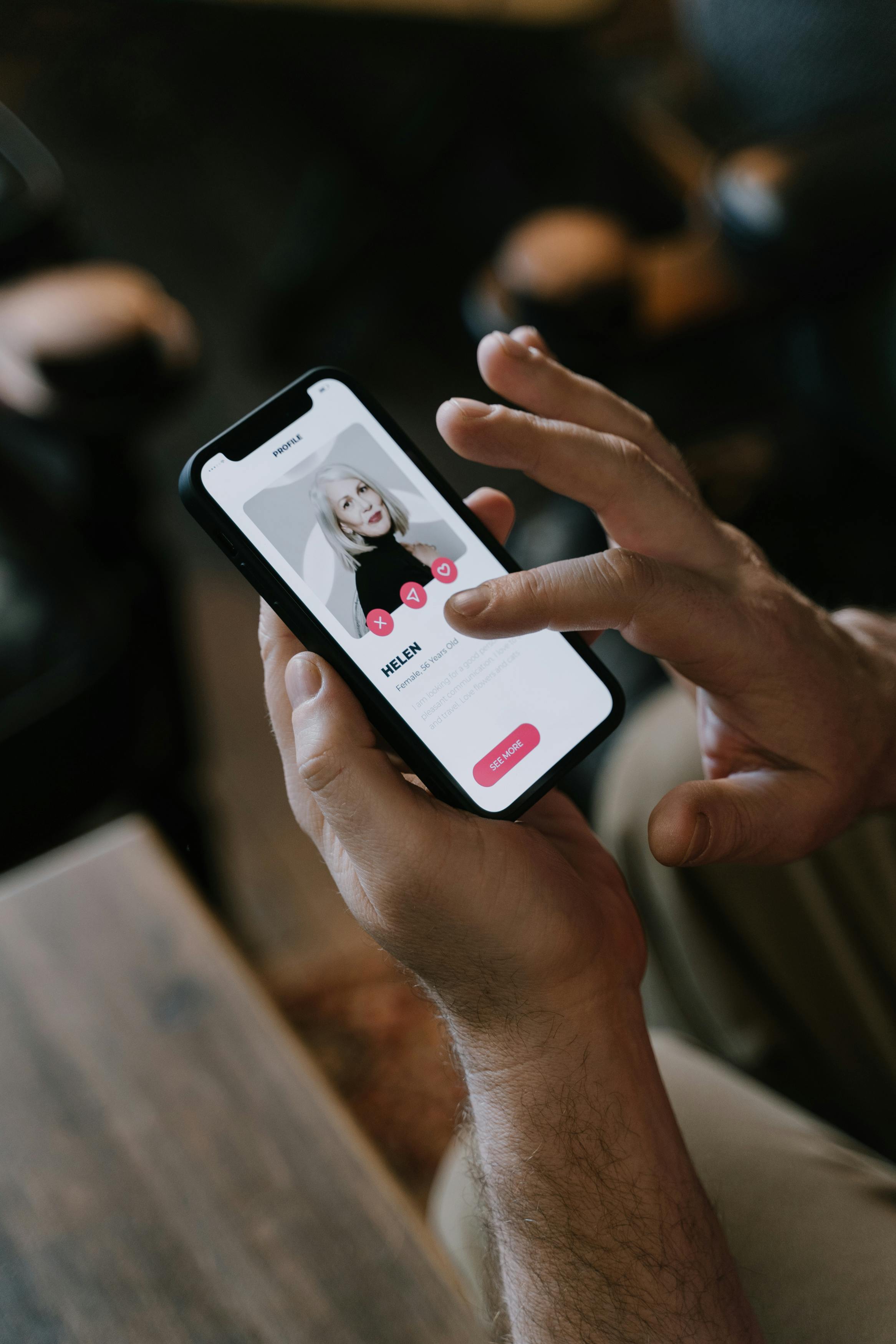
Bumble has similarly leaned into authenticity marketing, launching its 'For Connection' campaign in March 2024 and introducing features like 'Opening Moves' to reduce pressure on women to initiate every conversation. The company's Q3 2024 earnings call noted that engagement remained a priority metric, with CFO Anu Subramanian highlighting 'improvements in user retention' as a key driver of revenue stability. Reducing stress might be a brand value, but reducing time spent swiping is not.
The commercial incentive to maintain anxiety
What the Hily survey quantifies is the gap between stated user preferences and platform incentives. Daters say they want honesty, but the features that drive revenue—endless choice, gamified matching, asymmetric information—reward performance. Profiles become curated highlight reels.
This dynamic mirrors the body dysmorphia and social comparison effects documented across Instagram and TikTok, particularly among Gen Z women. Research published in JAMA Psychiatry in 2023 found a correlation between social media use and increased anxiety and depression among adolescents, with visual platforms showing the strongest effects. Dating apps combine that visual comparison mechanic with romantic rejection, a significantly higher-stakes context than whether someone liked your holiday photo.
When over half of users report that unrealistic expectations have made dating apps more stressful, that's not a UX bug. It's the operating system.
What makes this particularly uncomfortable for operators is that the solutions are obvious but commercially unpalatable. Limiting daily swipes would reduce choice overload. Requiring mutual interest before showing profiles would reduce objectification. Narrowing match pools based on compatibility would reduce decision fatigue.
All of these would also reduce session length, daily active users, and the likelihood of converting free users to paying subscribers who want more swipes, more Super Likes, more Boosts.
Why self-reported surveys from dating apps need scrutiny
The Hily survey deserves a significant caveat: it was commissioned by a dating app with a commercial interest in positioning itself as the solution to the problem it's identified. Hily's press materials describe the app as offering 'a more authentic experience', which is precisely the value proposition this research is designed to support. That doesn't make the data false, but it does mean the findings should be cross-referenced against independent research.
Academic studies have reached similar conclusions without the promotional angle. A 2020 paper in the Journal of Social and Personal Relationships found that Tinder users reported lower self-esteem and higher body dissatisfaction than non-users, with effects strongest among women. Research from Cornell University published in 2022 found that dating app users experience 'rejection sensitivity', where repeated non-responses or unmatches increase anxiety over time.
The pattern holds across sources. Dating apps create environments where users feel inadequate, then monetise the anxiety by selling tools to stand out: premium subscriptions, profile boosts, read receipts. It's the same playbook that turned social media from a novelty into a mental health concern.
What happens when the product is the stressor
Dating companies are beginning to face the same regulatory and reputational scrutiny that hit social platforms. The UK Online Safety Act includes provisions around user wellbeing, and whilst dating apps aren't subject to the same content moderation requirements as social media, the broader regulatory environment is tightening. Investors are watching too—MTCH's share price has fallen 58% since its February 2021 peak, and BMBL is down 88% from its IPO high.
Part of that collapse reflects monetisation challenges, but part reflects a product category that users increasingly describe as exhausting. The market opportunity exists for a dating platform that genuinely prioritises mental health over engagement metrics, but the unit economics are brutal. Lower session times mean fewer ad impressions and less urgency to subscribe.
Faster matches mean shorter customer lifetimes. The business model that works is the one that keeps people searching, not the one that helps them stop. Operators know this.
The question is whether any of them will be willing to accept lower revenue in exchange for a product that doesn't make its users miserable. Based on the last five years of earnings calls and product updates, widespread dating app burnout continues to be documented, with research showing the vast majority of users report dissatisfaction with their matches, yet the answer from operators appears to be no.
- Dating apps face a fundamental business model conflict: features that would reduce user anxiety would also reduce engagement metrics and revenue, making genuine reform commercially unviable under current monetisation strategies
- The sector is facing increasing regulatory scrutiny and investor scepticism, with major operators seeing share price collapses of 58-88% from recent peaks as users report exhaustion with platforms
- Watch for potential market disruption from platforms willing to accept lower revenue in exchange for better mental health outcomes, though the brutal unit economics make this unlikely without regulatory intervention
Comments
Join the discussion
Industry professionals share insights, challenge assumptions, and connect with peers. Sign in to add your voice.
Your comment is reviewed before publishing. No spam, no self-promotion.