
Hily's Donut Stunt: A Sweet Admission of Algorithmic Failure
- Hily claims 77% of young Americans prefer spontaneous first dates over endless texting, whilst 74% would bypass algorithmic matching entirely
- Match Group's paying subscribers fell 6% year-on-year to 15 million in Q3 2024, whilst Bumble reported flat monthly active users despite increased marketing spend
- Customer acquisition costs for dating apps in the US market have climbed above $45 per install according to AppsFlyer's 2024 benchmarks
- Hily claims 26 million global users as of late 2023, though this includes free accounts and remains unaudited
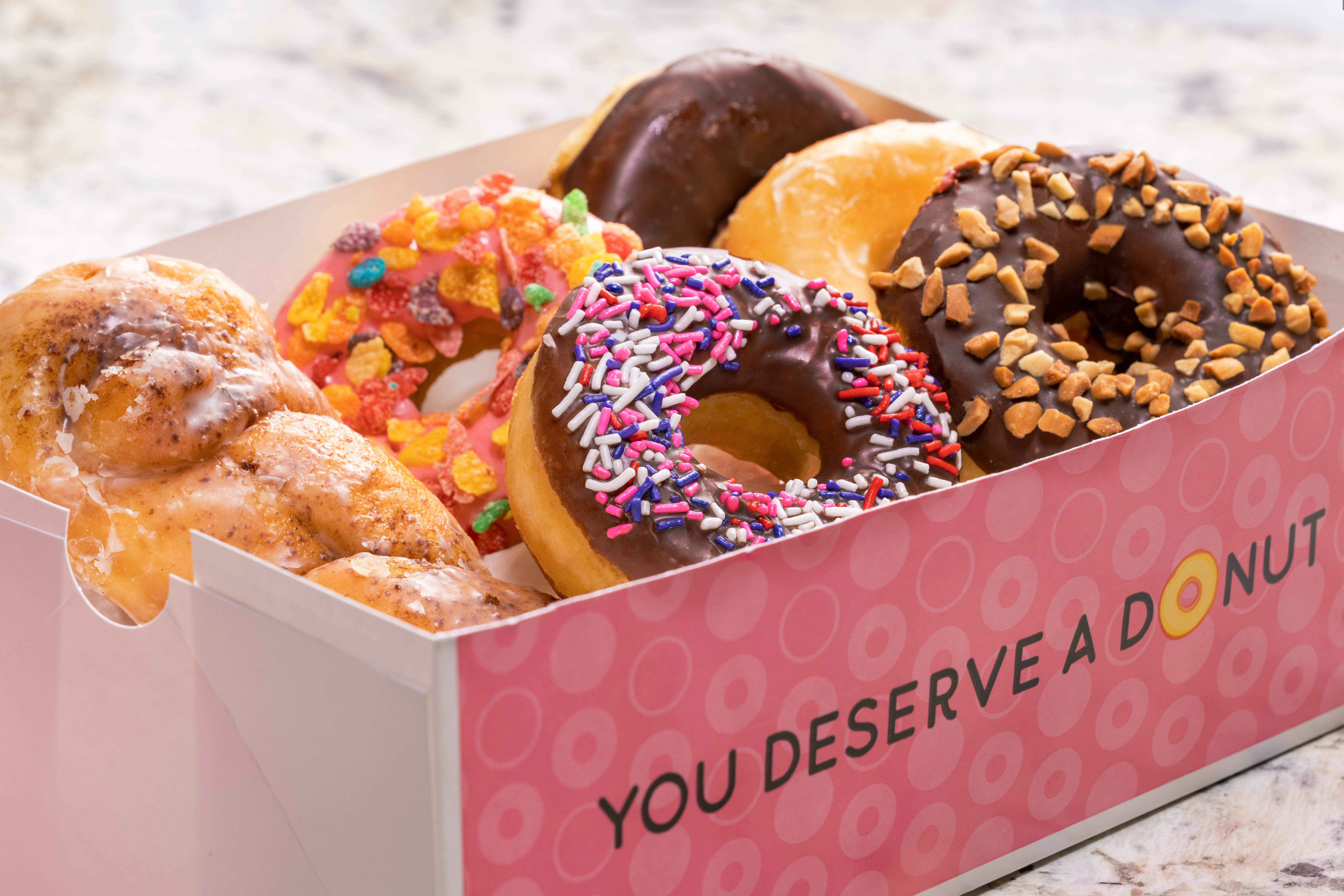
Hily is selling mystery donuts in Los Angeles through Danny Trejo's Trejo's Coffee & Donuts, pitching the campaign as a metaphor for spontaneous dating. The Ukrainian-owned dating app announced the limited-edition run this week, with each donut containing an unknown filling—shorthand, according to the company, for taking a chance on someone you wouldn't normally swipe right on. It's quirky brand activation, certainly, but it's also the latest admission that dating apps have stopped believing in their own product.
The company commissioned survey data to support the campaign, claiming that 77% of young Americans prefer going on a first date to endless texting, whilst 74% would rather make spontaneous dating choices than rely on algorithmic suggestions. Setting aside the convenient alignment with donut metaphors, those figures pose an uncomfortable question for an industry built entirely on the promise that better algorithms produce better matches. If three-quarters of your audience would rather bypass your core product feature, what exactly are you selling?
This isn't clever brand subversion—it's retreat dressed as marketing. Dating apps spent a decade conditioning users to trust the algorithm, investing hundreds of millions in matching technology and behavioural science teams. Hily's donut stunt, like Bumble's For Real events and Tinder's singles mixers before it, amounts to a public acknowledgement that the product isn't solving the problem it was designed to address. The industry is now selling real-world experiences because the digital ones have stopped converting.
Create a free account
Unlock unlimited access and get the weekly briefing delivered to your inbox.

When the product becomes the problem
Hily's campaign hinges on survey data that the company itself commissioned. No methodology has been disclosed, no sample size published, and the demographic definition of 'young Americans' remains unspecified. That matters considerably when interpreting figures this definitive. A survey of 500 Gen Z users in college towns will produce different results than one targeting 2,000 millennials across income brackets.
Dating app fatigue isn't a positioning opportunity—it's a retention crisis.
What's documented, however, is the broader pattern. User engagement across major platforms has plateaued or declined since 2022, according to data from Sensor Tower and Apptopia. Match Group (MTCH) disclosed in its Q3 2024 earnings that paying subscribers across its portfolio fell 6% year-on-year to 15 million. Bumble (BMBL) reported flat monthly active users in its most recent quarter despite increased marketing spend. The apps aren't losing to competitors; they're losing to user disillusionment with the format itself.
Hily's response is to position itself against the very infrastructure that dating apps monetise. The donut metaphor—bite into something unknown rather than optimise your preferences—directly contradicts the personalisation thesis that justified freemium conversion and premium subscription tiers. If spontaneity outperforms curation, why would anyone pay $29.99 monthly for advanced filters and priority placement?
The offline pivot that undermines online revenue
This isn't Hily's first move into physical spaces, but it's indicative of how mid-tier platforms are attempting differentiation in a market dominated by Match Group and Bumble. The company operates primarily in North America and Europe, claiming 26 million users globally as of late 2023—a figure that includes free accounts and isn't audited. Unlike MTCH or BMBL, Hily doesn't report subscriber numbers or revenue publicly, making it difficult to assess whether experiential marketing translates to commercial traction.
What's clearer is the strategic bind facing apps without Tinder's scale or Hinge's brand equity. Performance marketing on Meta and Google has become prohibitively expensive, with customer acquisition costs for dating apps climbing above $45 per install in the US market, according to AppsFlyer's 2024 benchmarks. Offline activations offer cheaper impressions and stronger earned media, but they don't scale and they don't directly convert to app opens.
Bumble has leaned hardest into this model with its For Real campaign, hosting speed dating and social mixers across US cities since late 2023. The company positioned these events as 'complementary' to the app experience, though the subtext is identical to Hily's: if the app worked as promised, you wouldn't need us to organise pub crawls. Tinder experimented with Swipe Night events in 2022 before quietly winding down investment.
When a platform starts selling the thing that bypasses its platform, it's usually because the platform has stopped delivering.
The pattern holds across categories. LinkedIn's in-person events didn't emerge because digital networking was thriving; Airbnb's Experiences launched because booking growth was slowing. For dating apps, offline activations are both a marketing strategy and an admission of product-market fit erosion.
What spontaneity tells us about premiumisation
The inconvenience for dating apps is that spontaneity and subscriptions pull in opposite directions. Premium tiers monetise control—more filters, rewind functions, unlimited likes, visibility boosts. These features assume users want greater precision and agency, not less. If Hily's survey data holds any validity, the company is marketing to an audience that actively resents the product mechanics generating its revenue.
That tension isn't unique to Hily. Bumble's pivot to 'opening moves' earlier this year, which allows men to message first and dilutes the app's founding mechanic, signals the same realisation. Hinge's shift towards video prompts and voice notes de-emphasises profile optimisation in favour of raw authenticity. These aren't iterative improvements—they're course corrections that undermine the assumptions justifying current pricing.

None of this suggests dating apps are obsolete. Discovery still requires digital infrastructure at scale, and most relationships now begin online. But the apps built to facilitate that discovery are increasingly admitting their algorithms aren't the value driver they once claimed. Matching technology has become table stakes, not differentiation. What users want—according to the apps' own research—is less friction, not more personalisation.
The donut campaign will generate coverage, TikTok content, and a spike in LA-based app opens. Whether it converts to subscriptions is another matter. Hily is betting that undermining algorithmic matching will make the brand feel more human. The risk is that it makes the product feel more redundant.
- Dating apps promoting spontaneity over algorithms are fundamentally undermining their premium subscription model, which monetises precision and control
- The shift to offline experiential marketing signals product-market fit erosion rather than brand innovation—platforms are compensating for digital engagement decline
- Watch for further dilution of core product mechanics across major platforms as they attempt to address user fatigue without cannibalising existing revenue streams
Comments
Join the discussion
Industry professionals share insights, challenge assumptions, and connect with peers. Sign in to add your voice.
Your comment is reviewed before publishing. No spam, no self-promotion.