

Indian Women Hack Dating Apps for Emotional Safety. Platforms Aren't Listening.
🕐 Last updated: March 8, 2026
- 57% of 9,685 surveyed Indian women aged 20–35 use 'protective strategies' on dating apps
- 87% assess profiles based on perceived depth and authenticity rather than visual polish
- 41% add 'intentional layers' to profiles including explicit deal-breakers and constrained personal information
- 48% prefer relaxed, candid imagery over curated aesthetics
Match Group and Bumble spend millions engineering friction out of the dating experience, yet a survey of nearly 10,000 Indian women suggests the most engaged users are doing precisely the opposite: adding friction back in, deliberately slowing down, and treating profile curation as emotional risk management rather than a volume game. The findings point to a fundamental disconnect between what platforms optimise for and what a substantial cohort of users actually want.
The data, disclosed by Indian dating platform QuackQuack from a sample of 9,685 active female daters aged 20–35, show that 57% are deploying what the company characterises as 'protective strategies'. These aren't safety features baked into the product—they're user-generated workarounds. The behaviours cluster into three categories: prioritising emotional depth over physical appearance, 'soft launching' relationships through vague social media references before going public, and 'profile shielding' through explicit boundaries and limited disclosure.
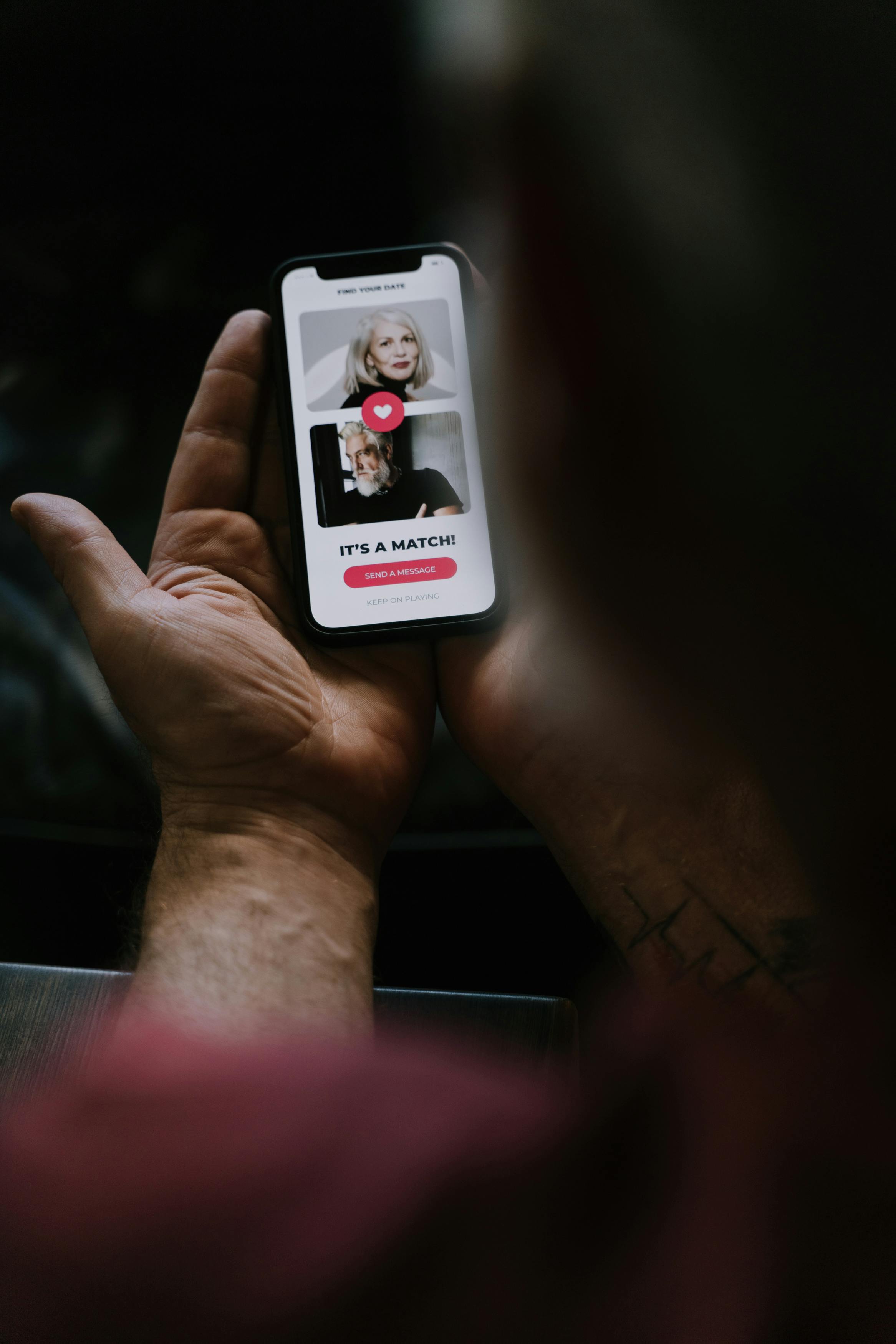
India represents one of the fastest-growing dating markets globally, particularly post-pandemic, which makes behavioural shifts here more than a regional curiosity. But what's significant isn't just the geography—it's that these strategies suggest a fundamental disconnect between what platforms optimise for and what a substantial cohort of users actually want.
Create a free account
Unlock unlimited access and get the weekly briefing delivered to your inbox.
The product design problem the industry is ignoring
Platforms are still built around engagement metrics that assume users want more matches, more conversations, more options. A meaningful percentage of women are actively working against that model.
This data, however imperfect the methodology, points to a product design problem the industry has largely ignored. A meaningful percentage of women—arguably the segment most valuable to retention given dating apps' structural gender imbalances—are actively working against the volume model. They're hacking the product to make it slower, narrower, and more emotionally defensible.
That's not a bug in user behaviour. That's a feature request the industry isn't hearing.
Emotional curation as a permanent shift
According to QuackQuack's figures, 87% of surveyed women assess profiles based on 'perceived depth and authenticity' rather than visual polish. Nearly half (48%) prefer relaxed, candid imagery and biographical details that signal real-world experience over curated aesthetics. The company's founder and CEO, Ravi Mittal, framed this as women 'dating with the intention of finding peace in love, understanding themselves better, and making room for meaningful connections'.
That's promotional language from a platform interpreting its own data, and it glosses over the reality that these behaviours likely emerge from both proactive preference and defensive necessity. Women face well-documented safety and harassment issues on dating platforms globally—from catfishing to abuse—so 'emotional maturity' and 'risk mitigation' aren't mutually exclusive explanations. They're two sides of the same strategic response.

What matters for operators is the permanence. The survey's age skew—particularly the 36% of 25–35-year-olds using 'soft launching' to test relationships privately before public disclosure—suggests these aren't temporary tactics. This cohort will carry these expectations into their 30s and 40s. They'll expect products that accommodate slower, more deliberate relationship progression, not just faster matching.
Profile shielding offers the clearest signal. Forty-one per cent of respondents reported adding 'intentional layers' to their profiles: explicit deal-breakers, clear intent statements, constrained personal information. Four in five said these measures reduce mismatched expectations and incompatible interactions. Translation: users are manually building the filtering and compatibility infrastructure that platforms should be providing natively.
What platforms are—and aren't—building
Bumble has leaned into intent signalling with badges for relationship goals and lifestyle preferences. Match Group's Hinge rebuilt its entire product around 'designed to be deleted', emphasising long-term compatibility over endless swiping. Both moves acknowledge that at least some users want tools for curation, not just volume.
But neither has fundamentally redesigned around emotional pacing. Features like Hinge's prompts or Bumble's interest tags are still optimised to accelerate connection, not to slow it down or let users control disclosure over time. There's no mainstream product that lets you reveal profile layers progressively, gate certain information until mutual interest is established, or set compatibility thresholds before a match even appears.
No major platform has built for private relationship development. Instagram and TikTok have close friends lists and selective sharing. Dating apps still operate on a binary: matched or not, public or invisible.
The 'soft launching' behaviour—vague, blurred, or indirect social media references to a new partner before going public—is particularly telling. It reflects a desire to test relationships outside the performance pressures of public declaration. That's a social media dynamic, not a dating app one, but it speaks to a broader expectation: relationships should be allowed to develop privately, at variable speeds, without external validation as a forcing function.
The methodology question and what it means for trust
QuackQuack's survey methodology isn't detailed enough to treat these figures as definitive across all Indian women using dating apps. The sample frame—'active female daters' on a single platform—introduces self-selection bias. We don't know response rates, how 'active' was defined, or how the geographic and professional diversity was weighted.
But the directional signal still matters. Even if the absolute percentages are inflated, the behaviours themselves are observable across platforms and markets. Anecdotally, trust and safety professionals at major dating operators have noted rising demand for more granular privacy controls and compatibility filters—not from regulatory pressure, but from users.
The survey also highlights a tension the industry hasn't resolved: platforms can engineer safety features—verification, reporting tools, AI moderation—but they can't engineer emotional safety. That requires product design that respects variable pacing, lets users control vulnerability, and doesn't penalise those who want fewer, deeper connections over more, shallower ones.
What this means for the next product cycle
If these behaviours represent a genuine shift—and the generational skew suggests they might—the product implications extend beyond feature additions. Platforms may need to rethink core metrics. Optimising for match volume makes little sense if a significant cohort views high match rates as a signal of poor curation.
Engagement time becomes a less reliable proxy for satisfaction if users want to spend less time on the app, not more. The competitive opportunity is obvious. A product built explicitly for emotionally conscious curation—progressive disclosure, compatibility-gated matching, privacy-first relationship development—could carve out a defensible position, particularly in markets like India where growth is still early-stage and user expectations are still forming.
Whether any operator has the conviction to deprioritise engagement metrics in favour of intentionality is another question entirely. Mittal's comment that 'protecting their feelings or from getting their hearts broken is another thing' underscores the limitation: platforms can't safeguard emotions. But they can stop designing against users who are trying to safeguard their own.
- The rise of user-generated protective strategies signals a fundamental mismatch between platform optimisation (volume and speed) and what many female users actually want (curation and emotional pacing)
- No major dating platform has built native features for progressive disclosure, compatibility-gated matching, or variable-speed relationship development—creating a competitive opportunity for operators willing to deprioritise traditional engagement metrics
- These behaviours appear generational and permanent, meaning platforms that continue optimising for match volume and engagement time risk alienating their most valuable retention segment as these users age
Comments
Join the discussion
Industry professionals share insights, challenge assumptions, and connect with peers. Sign in to add your voice.
Your comment is reviewed before publishing. No spam, no self-promotion.