
Single Riders: A Test for Ultra-Niche Dating's Viability
- Single Riders is recruiting beta testers for a dating app that matches Disney fans in real-time whilst they queue at theme parks
- Disneyland has an estimated 1.2 million annual passholders who represent the core addressable market
- The app must solve for liquidity: enough active users currently inside parks to make matches viable
- Dozens of niche dating apps have failed over the past decade, with Farmers Only remaining the rare success story
A dating app that connects Disney fans whilst they're queuing for Space Mountain is recruiting beta testers ahead of a launch planned for later this year. Single Riders, named after the theme park queue designated for solo visitors, promises to match theme park enthusiasts in real-time based on their location within Disney parks and other major attractions. The platform represents the latest attempt to carve out a viable business from hyper-specific interest groups—a strategy that positions shared lifestyle commitments as the foundation for compatibility rather than the demographics and broad interest tags that underpin mainstream swiping.
Single Riders is less interesting as a product than as a test case for whether ultra-niche dating platforms can achieve sustainable scale in 2025. The dating industry has watched scores of interest-based apps launch with fanfare and fold within 18 months, unable to solve the liquidity problem that plagues any two-sided marketplace. If you can't guarantee enough active users in the right location at the right time, you're not a dating app—you're a Facebook group with venture backing.
The thesis behind interest-first dating
The core proposition isn't absurd. Match Group (MTCH) and Bumble (BMBL) have spent years trying to solve for meaningful compatibility signals beyond photos and carefully curated prompts. Both have invested heavily in interest tags, conversation starters, and algorithmic improvements designed to surface shared values. Neither has cracked it convincingly, judging by persistently flat engagement metrics and user surveys showing mounting frustration with shallow interactions.
Create a free account
Unlock unlimited access and get the weekly briefing delivered to your inbox.
Niche platforms argue they can bypass that problem entirely by pre-selecting for the lifestyle commitment that matters most. A Disney Adult—the term applied, sometimes derisively, to childless adults who make regular theme park visits central to their identity—doesn't need to explain their priorities to a potential match. Someone who downloads Single Riders has already signalled that multi-day park visits, annual passes, and debates about queue management strategy are non-negotiable parts of their life.
A Disney Adult doesn't need to explain their priorities to a potential match—downloading Single Riders signals that theme parks are non-negotiable parts of their life.
That's a genuine compatibility filter, and it's more specific than anything Hinge's algorithm can infer from someone liking both 'travel' and 'brunch'. The challenge is whether the addressable market can support a standalone business.
The structural problem niche apps can't escape
Dozens of interest-specific dating platforms have launched over the past decade. Farmers Only remains the rare success story, sustained by a genuinely underserved geographic and cultural demographic. Most others—apps for beard enthusiasts, gluten-free singles, cannabis users, fitness obsessives—either disappear quietly or limp along as side projects without meaningful traction.
The mathematics are unforgiving. Dating apps require liquidity: enough active users in a given location at a given time to make opening the app worthwhile. Mainstream platforms achieve this through scale. Tinder can serve both Disney Adults and people who think theme parks are hell because it has 75 million monthly active users globally.
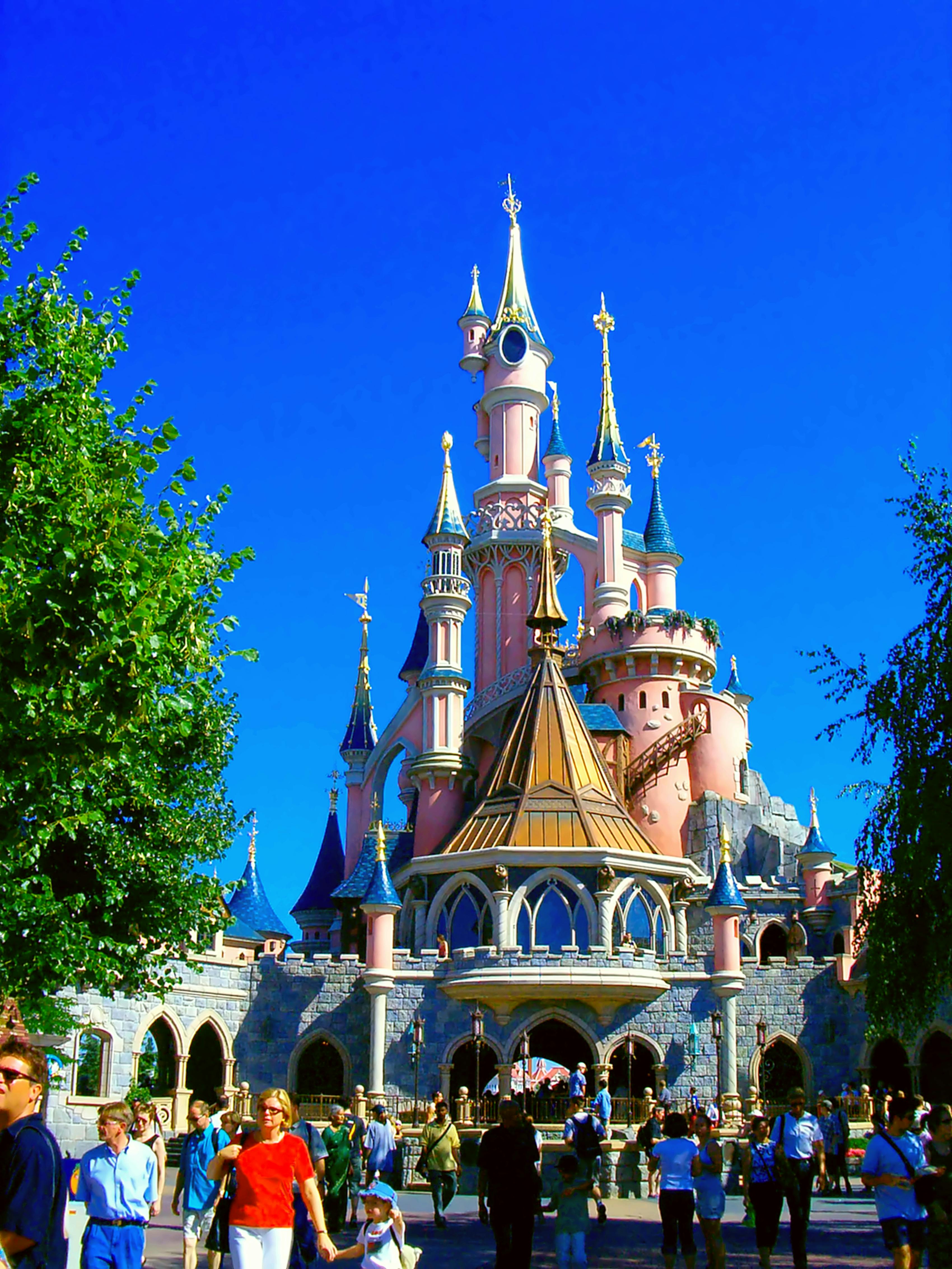
Single Riders faces an additional constraint. Its value proposition depends on real-time, location-based matching within theme parks. That means the addressable market isn't 'Disney Adults globally' but 'Disney Adults currently inside a Disney park and actively looking to meet someone'. Even assuming aggressive adoption among annual passholders at Disneyland and Walt Disney World, the pool of available matches at any given moment will be small.
If a user opens the app three times and sees the same seven profiles, they won't open it a fourth time.
The developer hasn't disclosed pricing strategy, monetisation plans, or how it will handle the fact that Disney parks span multiple continents with distinct visitor bases. Those details matter significantly more than the beta recruitment announcement suggests.
Why Match Group isn't worried—yet
The proliferation of niche apps hasn't materially threatened the major platforms because most interest-based communities are better served by features than by standalone products. Match Group has demonstrated this repeatedly, launching interest-specific experiences within existing apps rather than spinning up new brands. Tinder's Festival Mode, which connects attendees at music festivals, operates on similar logic to Single Riders but benefits from Tinder's existing user base and infrastructure.
If Single Riders gains any traction, the acqui-hire or feature replication playbook is well established. Match Group could integrate a 'theme park mode' into Hinge or Tinder within a quarter. Bumble could do the same. Both have location-based features already built.

That dynamic explains why niche dating apps struggle to attract meaningful venture capital. Investors have watched too many promising concepts get cloned by platforms with 100x the users and distribution. The risk-reward calculus doesn't support backing a product that's one successful beta test away from being a feature inside someone else's app.
What operators should watch
Single Riders will test whether lifestyle-specific dating can work when the lifestyle is specific enough to genuinely filter for compatibility but not so niche that liquidity becomes impossible. If it achieves sustainable usage—defined as repeat monthly engagement from a critical mass of users across multiple park locations—it will validate a model that could apply to other high-commitment interest groups.
Annual passholders at major theme parks represent a narrow but definable market with demonstrated spending power and regular, predictable gathering points. If Single Riders can convert even 5% of Disneyland's estimated 1.2 million annual passholders into active users, it would have a defensible base. Whether that's enough to support a venture-scale business or merely a lifestyle app with modest subscription revenue is another question entirely.
The broader dating industry should pay attention not because Single Riders will threaten the incumbents—it won't—but because it represents the logical endpoint of user frustration with generic swiping. If operators can't deliver better matches through algorithmic improvements and interest tags, users will continue searching for pre-filtered communities that do the work upfront. That's a feature request disguised as a competitor.
- Watch whether Single Riders achieves repeat monthly engagement across multiple park locations—this validates whether ultra-niche lifestyle dating can overcome the liquidity problem that kills most interest-based apps
- The app's success or failure will signal whether major platforms need to take pre-filtered communities seriously or can continue relying on algorithmic matching within their existing user bases
- If even 5% conversion of annual passholders proves viable, expect similar location-based, lifestyle-specific dating products targeting other high-commitment interest groups with predictable gathering points
Comments
Join the discussion
Industry professionals share insights, challenge assumptions, and connect with peers. Sign in to add your voice.
Your comment is reviewed before publishing. No spam, no self-promotion.