

Dating.com's Long-Distance Data: A Convenient Narrative or Real Shift?
- Dating.com claims 71% of American singles have dated internationally, up from just 12% expressing interest before the pandemic
- 54% of respondents would consider international travel for a first date, according to the company's research
- The study reports 64% of casual connections evolved into year-long relationships, a figure that contradicts established dating app metrics
- US domestic flights cost 23% more than pre-pandemic averages, creating economic barriers to destination dating
Long-distance dating has supposedly gone from fringe interest to majority behaviour in five years. According to research commissioned by Dating.com, 83% of American singles have dated someone from another state, whilst 71% have dated internationally. The implication is clear: technology-enabled courtship during lockdown didn't just bridge a temporary gap—it permanently rewired relationship psychology.
The numbers demand scrutiny. That's not a gradual shift—it's a reported behavioural revolution.
This feels like a data point in search of a narrative. Dating.com's parent company, Social Discovery Group, operates 65 dating sites and has commercial reasons to promote expanded geographic pools and the AI matching tools that serve them. The 12-to-71 percentage shift conflates pre-pandemic "interest" with post-pandemic actual behaviour, rendering the comparison almost meaningless.
Create a free account
Unlock unlimited access and get the weekly briefing delivered to your inbox.
What matters for operators isn't whether singles have tried long-distance dating—lockdown forced millions into it—but whether they'll continue choosing it when proximity is available again.
That question remains unanswered.
From pandemic necessity to permanent preference
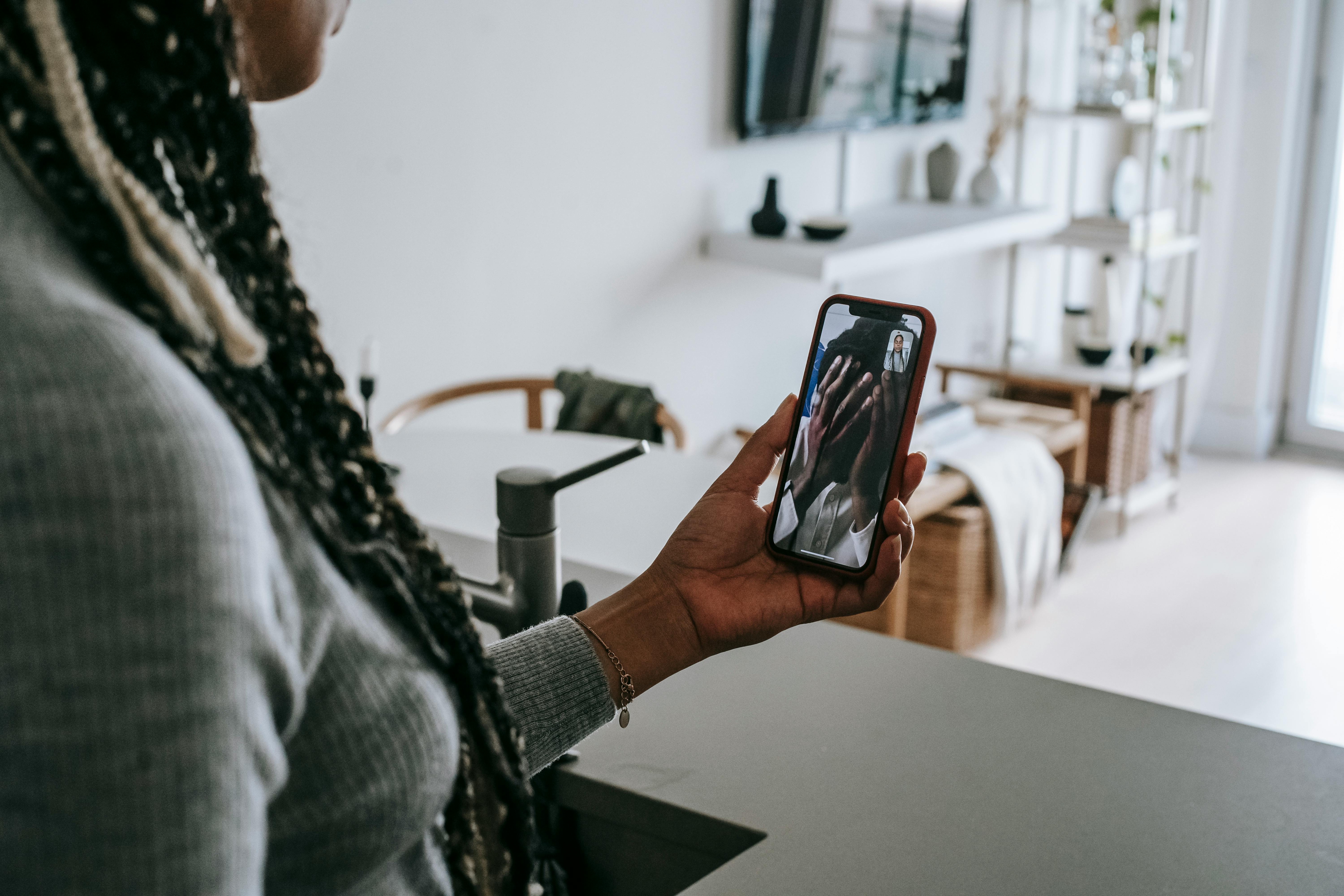
Dating.com's research suggests cross-border courtship has graduated from desperate measure to deliberate strategy. According to the study, 44% of respondents would travel to another state for a first date, whilst 54% would consider international travel for an initial meeting. Video calls and messaging apps, forced into service during lockdown, apparently smoothed the transition.
The methodology matters here, and it's notably absent. Sample size, demographic breakdown, and how the company defines "dating someone" internationally versus simply matching with them—none of this is disclosed. The distinction between swiping on profiles in Paris and actually sustaining a transatlantic relationship is vast, yet the data appears to treat them identically.
What's genuinely interesting is the reported conversion rate. The study claims 64% of connections that began as casual hook-ups evolved into year-long relationships. If remotely accurate, that figure would overturn decades of established dating app metrics, where most matches never meet and most first dates don't yield second ones. It warrants profound scepticism.
The commercial case for borderless dating
Social Discovery Group's business model benefits directly from singles accepting broader geographic parameters. Larger pools drive more matches. More matches justify premium features—passport functionality, advanced filters, video calling—that extract higher revenue per user. AI matching algorithms, which the company actively promotes, become more valuable propositions when they're processing global datasets rather than neighbourhood ones.
This isn't to suggest the research is fabricated. But it does mean the findings align suspiciously well with what the company needs to be true. Dating platforms have spent the past three years encouraging members to think beyond their postcode. Bumble promoted its Travel Mode throughout 2022 and 2023. Tinder's Passport feature, free during initial lockdowns, became a premium upsell.
When apps deprioritise nearby matches in favour of algorithmic compatibility scores—often calculated using opaque AI systems—they're not responding to user preference. They're shaping it.
Economic realities versus dating aspirations

The appetite for destination dating collides with post-pandemic economic constraints. Summer 2024 travel costs remain elevated. Domestic flights in the US cost 23% more than pre-pandemic averages, according to Bureau of Transportation Statistics data. International airfares have stabilised closer to 2019 levels, but accommodation costs have surged, particularly in major cities where young singles cluster.
Dating.com's research suggests over half of American singles would travel internationally for a first date. That's either a dramatic overestimation of intent versus actual behaviour, or it signals that dating has become such a frustrating local experience that singles are willing to treat it like luxury travel—a significant purchase justified by scarcity. Neither interpretation is particularly encouraging for mainstream dating apps dependent on high-volume, low-friction matching.
The premium dating segment might benefit. Selective services charging £50-150 monthly could position international matching as a feature that justifies the price point. Inner Circle and The League have both expanded city coverage in the past 18 months, explicitly targeting professionals willing to travel for quality matches.
What actually changed

Pandemic-era dating taught millions of people that relationships could begin without physical presence. That's the genuine behavioural shift, and it's probably irreversible. Video dates moved from novelty to norm. Text-based rapport-building before meeting became standard practice rather than time-wasting. Those habits persist.
Whether that translates into sustainable long-distance relationships at scale is different. Operators would do well to distinguish between expanded initial search radius—where technology genuinely helps—and encouraging ongoing relationships across state or international borders, where the friction costs remain stubbornly physical. AI can't reduce the price of flights. Virtual reality, however sophisticated, doesn't replicate dinner together.
The likelier outcome is a bifurcated market. A small percentage of singles, probably skewing affluent and professionally mobile, genuinely embraces borderless dating. The majority reverts to proximity preference once local options improve post-pandemic. Dating apps that assumed geographic expansion would be permanent may find they've optimised for the wrong cohort.
Despite the hype around long-distance possibilities, research shows mixed views on whether online dating has actually made finding long-term partners easier, with increasing numbers of adults in wealthy countries remaining single despite digital platforms.
- Dating.com's reported behavioural revolution may reflect commercial interests rather than sustainable user preferences—watch whether platforms quietly re-emphasise local matches in their algorithms
- The genuine shift is normalised video dating and text rapport-building before meeting, not widespread appetite for sustained international relationships with their stubborn physical and economic friction costs
- Expect market bifurcation: affluent, mobile singles embrace borderless dating whilst the majority reverts to proximity preference, challenging platforms that optimised for geographic expansion
Comments
Join the discussion
Industry professionals share insights, challenge assumptions, and connect with peers. Sign in to add your voice.
Your comment is reviewed before publishing. No spam, no self-promotion.