
Dating Apps Need 40 Swipes Per Match. The Answer Is Already In the Data.
🕐 Last updated: March 16, 2026
- Dating app users swipe an average of 40 times to secure a single match, with a swipe-to-date ratio of approximately 400:1
- 61% of users say the time investment makes them want to quit, whilst 75% have already taken breaks from platforms
- Active users spend nearly 15 hours per week on dating app activities, with 45% of dates cancelled last-minute and only 27% of first dates leading to second dates
- Gen Z users achieve better match efficiency (25 swipes per match) but report higher rates of dating app fatigue
Dating app users are swiping an average of 40 times to secure a single match, according to new survey data from Tawkify—a figure that speaks to deteriorating match efficiency just as the industry grapples with retention problems. The same research, which surveyed 1,000 American singles aged 18–55, found that 61% of respondents said the time investment required by dating apps makes them want to quit entirely. Three-quarters have already taken breaks from the platforms.
The numbers quantify what Match Group (MTCH) and Bumble (BMBL) executives have been dancing around in earnings calls for quarters: engagement is increasingly decoupled from satisfaction. Users are putting in more work for worse outcomes, and they know it.
The Labour Economics of Digital Dating
This is the data operators don't want to publish but need to confront. Forty swipes per match isn't a sign of a healthy marketplace—it's a symptom of bloated user bases, poor matching algorithms, or both.
When three-quarters of your addressable market are taking breaks and 61% actively want to quit, you're not running a product with a retention problem. You're running a treadmill that users are desperate to get off. The industry has spent years optimising for engagement metrics that may be actively destroying the user experience they're meant to measure.
Create a free account
Unlock unlimited access and get the weekly briefing delivered to your inbox.
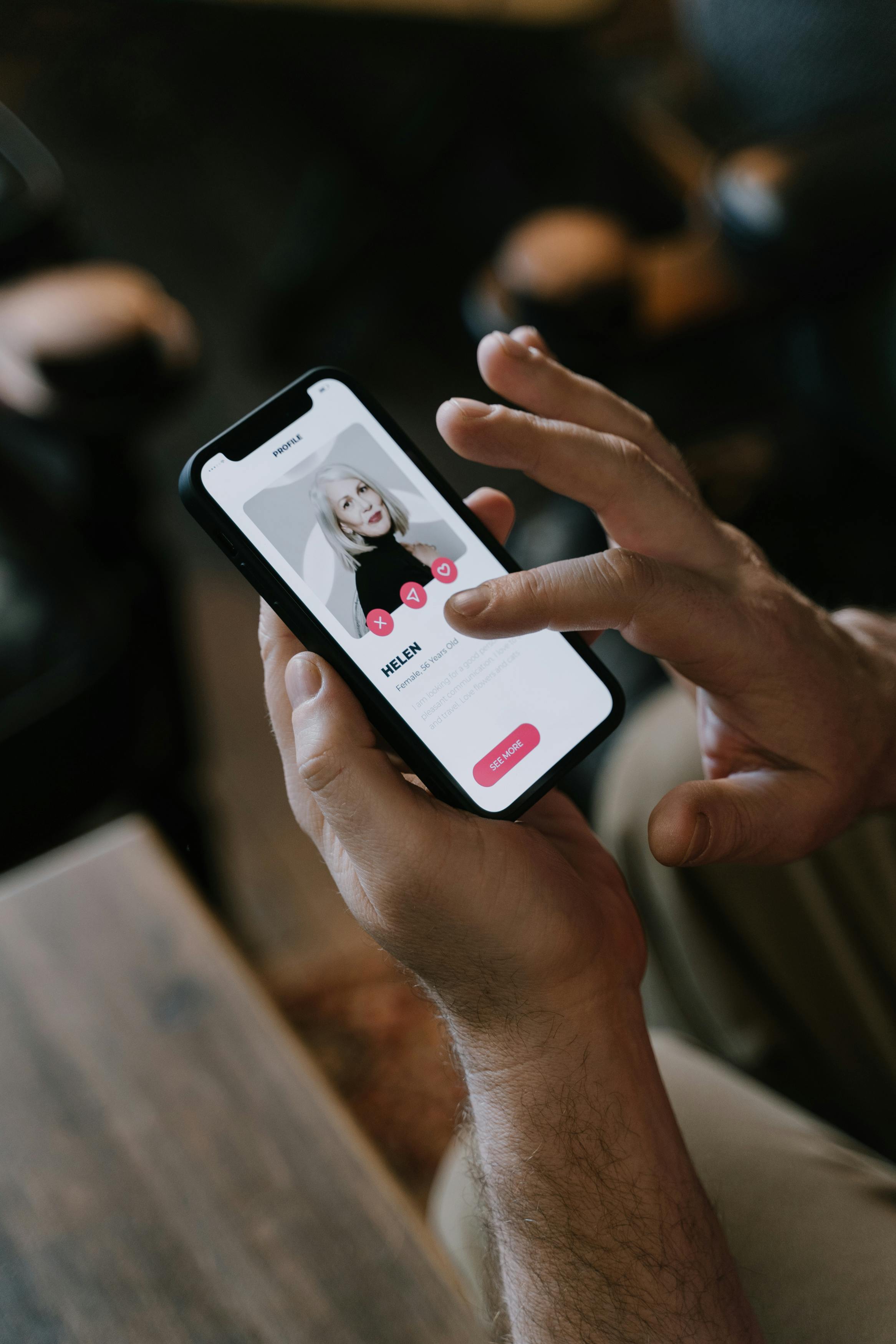
The time investment breakdown reveals dating apps function less like matchmaking services and more like part-time jobs with unpredictable payoffs. According to Tawkify's figures, users spend an average of 5 hours and 43 minutes weekly messaging potential matches and another 3 hours and 48 minutes preparing for dates—nearly ten hours of pre-date labour before the actual 2-hour, 14-minute average date even begins.
The entire cycle, from initial swipe through post-date reflection, consumes roughly 15 hours per week for active users. For context, that's nearly half a standard working week devoted to what's theoretically a leisure activity.
The Conversion Crisis
What makes these figures particularly concerning for operators isn't just the absolute time commitment—it's the conversion efficiency. The survey found that 45% of dates are cancelled last-minute, and only 27% of first dates lead to second dates. Users are investing those ten hours of messaging and preparation for dates that nearly half the time won't happen, and when they do occur, fail to convert 73% of the time.
The match-to-date conversion appears equally troubled. Respondents reported needing an average of 10 matches before securing a single first date—meaning that if users are swiping 40 times per match, the actual swipe-to-date ratio sits somewhere around 400:1. The arithmetic of modern dating isn't remotely sustainable from a user psychology perspective.
The Generational Fault Line
Generational differences in the data suggest the swipe model's effectiveness may be eroding fastest among its native users. Gen Z respondents reported needing only 25 swipes per match compared to 40 for the broader sample, indicating better conversion efficiency—yet they're also the cohort most likely to take breaks from apps.
This mirrors the pattern Bumble's management flagged in Q3 2024 results, when CEO Lidiane Jones acknowledged that younger users were experiencing 'dating app fatigue' and seeking 'more intentional' experiences. The company's subsequent pivot towards its 'For You' feed and AI-powered matching represented a tacit admission that the swipe paradigm might be reaching its natural limits.
The efficiency paradox—better match rates but lower satisfaction—suggests the problem isn't primarily technical. Gen Z users are getting matches; they're just not finding the experience worth the emotional overhead.
Tawkify's survey found that after just one week of app usage, 35% of respondents reported feeling emotionally drained, 32% felt overwhelmed, and 26% felt discouraged.
Match Group's bet on AI-enhanced matching through features like Tinder's 'Explore' mode and Hinge's 'Most Compatible' attempts to address match quality without fundamentally rethinking the engagement model. But if the core issue is that users experience dating apps as labour rather than leisure, better algorithms may only optimise the productivity of an inherently exhausting system.
The Matchmaking Counternarrative
The research carries obvious caveats. Tawkify operates a matchmaking service charging $500–$5,000+ for human curation—positioning dating apps as inefficient serves the company's commercial interest in selling a premium alternative. The survey methodology, timing, and sample composition aren't publicly detailed, limiting independent assessment of the findings' robustness.
The 'single week' timeframe for measuring emotional impact may also skew negative, capturing the frustration of unsuccessful users whilst missing longer-term success stories. Dating app outcomes follow a power law distribution: a minority of users find partners relatively quickly, whilst the majority cycle through extended periods of low-yield activity. Survey snapshots tend to oversample the latter group.
Yet even accounting for Tawkify's agenda, the directional findings align with patterns visible in public company disclosures. Match Group's average revenue per payer (ARPPU) continues rising—up 9% year-over-year in Q3 2024 to $19.19—even as paying user counts stagnate or decline. That's the signature of companies extracting more value from a shrinking base of committed users, not platforms experiencing healthy marketplace expansion.
Industry Response and Strategic Shifts
Bumble's response has been to reduce friction: shorter profile prompts, AI-assisted conversation starters, and Opening Moves (allowing women to set pre-written openers rather than messaging first). The entire product roadmap reads as an attempt to reduce the 'labour cost' users evidently resent.
The broader competitive context shows operators recognising that engagement maximisation has limits. Hinge's 'Designed to be Deleted' positioning explicitly rejects the infinite-scroll model. The League paused new member registrations in 2023 to improve match quality rather than chase growth. Even Grindr (GRND), whose user base historically tolerated higher effort-to-outcome ratios, has introduced Roam and Right Now features to accelerate connection timelines.
What remains unclear is whether these adjustments address the structural problem or merely sand down its roughest edges. If users experience 400 swipes per date as unsustainable labour, does reducing that to 300 materially change the psychology—or does it require rethinking whether swipe-based discovery is the correct paradigm for relationship formation in the first place?
The industry's growth assumptions have long depended on dating apps remaining cheaper and more convenient than alternatives. Tawkify's figures suggest that for a meaningful percentage of users, the convenience calculation has inverted. When the app becomes a 15-hour weekly commitment with a 73% first-date failure rate, spending $3,000 on a matchmaker who promises three curated introductions starts looking rational.
- The swipe-based model may be reaching structural limits as users increasingly view dating apps as labour rather than leisure, requiring fundamental paradigm shifts beyond algorithmic optimisation
- Watch for continued ARPPU growth alongside stagnant user counts across Match Group and Bumble—a pattern indicating value extraction from shrinking committed user bases rather than healthy marketplace expansion
- The competitive advantage of dating apps versus premium alternatives depends on maintaining a favourable convenience calculation; at 400:1 swipe-to-date ratios, that economic logic inverts for substantial user segments
Comments
Join the discussion
Industry professionals share insights, challenge assumptions, and connect with peers. Sign in to add your voice.
Your comment is reviewed before publishing. No spam, no self-promotion.