

Tinder's 'Golden Retriever' Data: Aspirational or Actual Shift?
- 45% of singles in English-speaking markets now say they want a 'Golden Retriever' partner—someone loyal, enthusiastic, and emotionally available
- Match Group's subscriber numbers fell 6% year-over-year in Q4 2024, suggesting user fatigue with traditional dating apps
- Research shows stated preferences correlate with actual matching behaviour only 23% of the time for personality traits, versus 81% for physical attributes
- Hinge added 900,000 paying subscribers in 2024 whilst Tinder shed users, highlighting competition from 'serious dating' platforms
Tinder's 2025 user survey claims that nearly half of singles now prioritise 'Golden Retriever' partners—TikTok parlance for someone who's loyal, warm, and emotionally present. The data arrives as Match Group attempts to rehabilitate Tinder's reputation beyond hookup culture, but a crucial question remains unanswered. Does this represent genuine behavioural change, or simply aspirational self-reporting that bears no relation to actual swiping patterns?
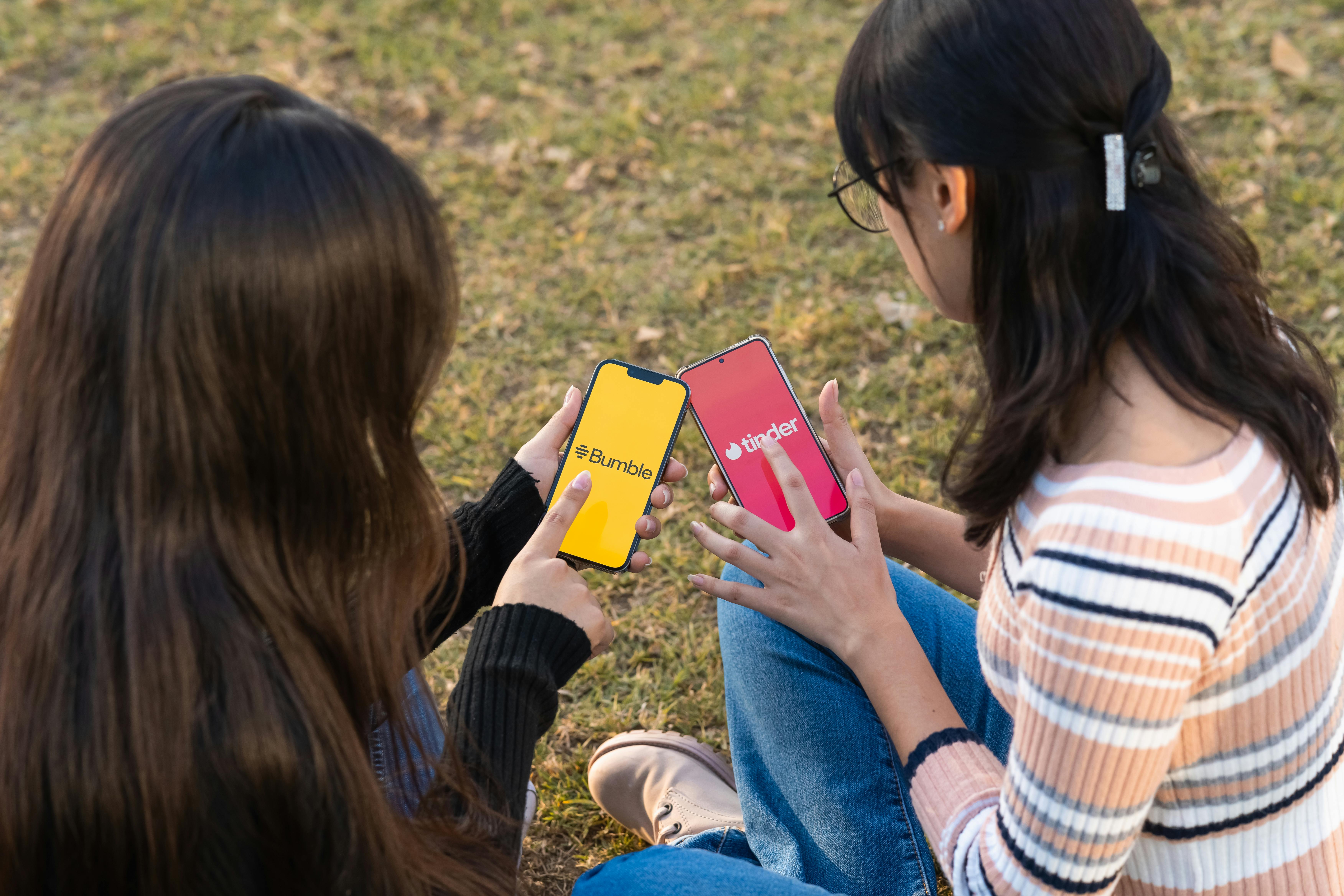
This is self-reported survey data about intentions, not behavioural data about actual choices—a distinction that matters considerably given the historically vast gap between what dating app users say they want and what they actually swipe right on. That said, the fact that nearly half of respondents can now articulate a preference for basic emotional availability using TikTok shorthand does suggest something. Either people are genuinely recalibrating after years of swipe fatigue and toxic dating culture, or they've simply learned which answers sound good on surveys.
Match Group's declining subscriber numbers—down 6% year-over-year in Q4 2024 according to the company's latest earnings disclosure—suggest the former might carry some weight. The data, published as part of Tinder's annual Year in Swipe report, surveyed members across the US, UK, Canada, and Australia. According to the company, the Golden Retriever preference represents 'a clear shift toward prioritising emotional warmth and reliability' over other traits.
Create a free account
Unlock unlimited access and get the weekly briefing delivered to your inbox.
When TikTok becomes the dating dictionary
The terminology itself tells you plenty. 'Golden Retriever boyfriend' emerged from TikTok's ecosystem of relationship archetypes, part of a broader trend where social media platforms increasingly supply the vocabulary for articulating relationship preferences. The phrase sits alongside 'Black Cat girlfriend' (independent, mysterious), 'Doberman partner' (protective, intense), and presumably dozens of other canine classifications that didn't make Tinder's survey cut.
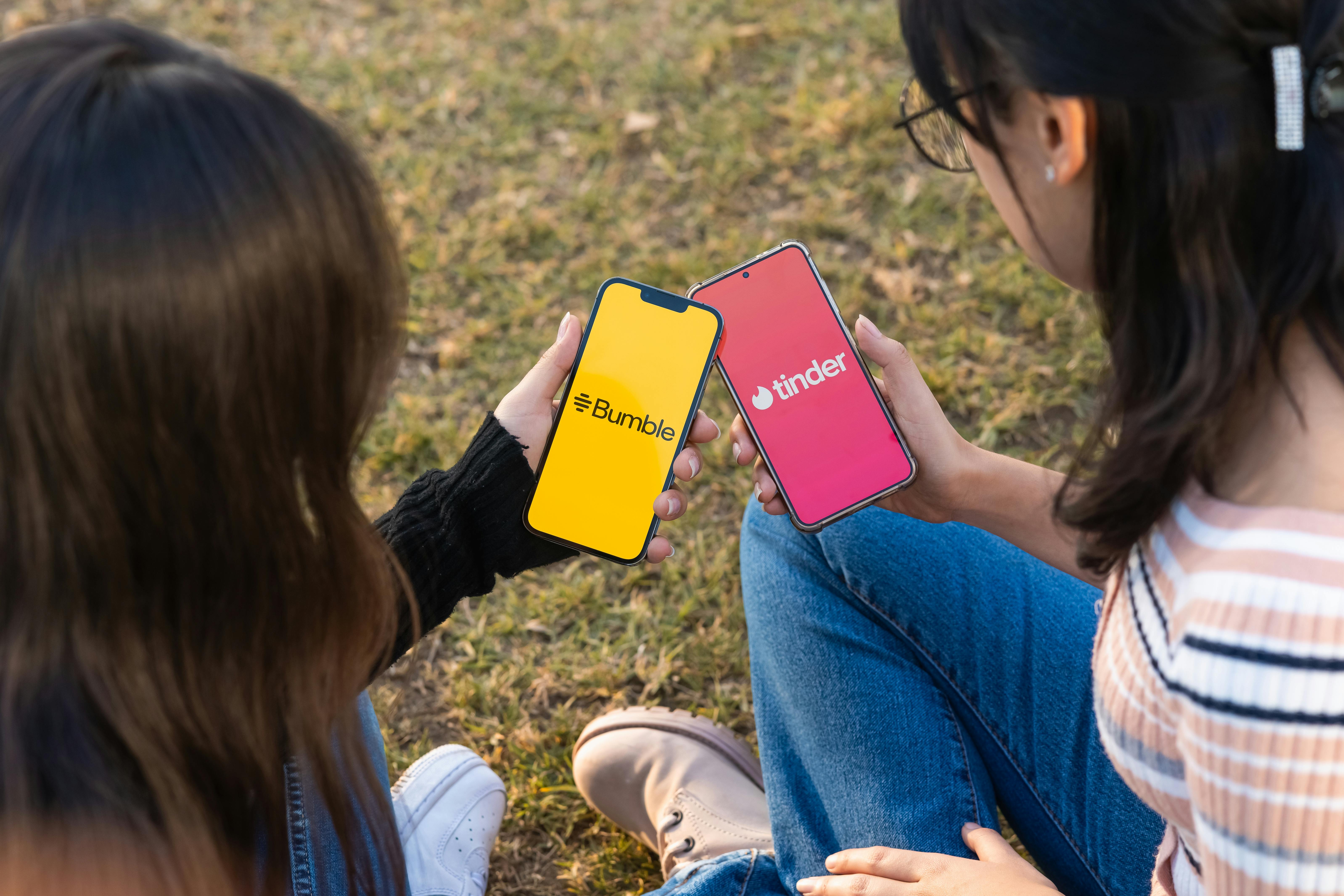
What's notable isn't the silliness of reducing human complexity to dog breeds—the dating industry has always trafficked in reductive frameworks, from Myers-Briggs types to astrology signs to whatever personality quiz BuzzFeed was running that week. Rather, it's that TikTok now functions as the primary reference library for relationship expectations, creating shared cultural shorthand that dating platforms can't ignore.
When users arrive with pre-formed expectations shaped by social media trends, apps face pressure to accommodate that vocabulary or risk seeming out of touch.
This matters for product teams. Hinge has already leaned into this dynamic with its 'personality prompts' feature set; Bumble has tested various 'dating intention' tags since 2023. Tinder itself added 'relationship goals' badges in late 2024. Each represents an attempt to capture what users now expect to be able to signal upfront.
The risk, though, is that platforms end up facilitating what's essentially aspirational self-reporting at scale. Selecting 'seeking Golden Retriever energy' on a profile requires no actual commitment to choosing partners who demonstrate those qualities. Research from the Dating App Research Consortium, published in 2023, found that stated preferences correlated with actual matching behaviour only 23% of the time for personality traits, versus 81% for physical attributes.
The stated-versus-revealed preference problem
Anyone who's spent time analysing dating app behavioural data knows the central tension: what people say they want bears limited resemblance to whom they actually message, match with, and meet. Users routinely claim to prioritise kindness, humour, and emotional intelligence in surveys, then demonstrate clear preferences for height, income signals, and conventional attractiveness in their swiping patterns.
Tinder's survey tells us that 45% of respondents now claim to prioritise 'loyal, enthusiastic, affectionate' traits. Fine. But did the survey ask users to review their last ten matches and assess whether those people actually exhibited Golden Retriever qualities? The company hasn't disclosed methodology beyond sample size and geographic scope.
If it represents genuine behavioural shifts rather than aspirational survey responses, Tinder's retention and engagement metrics should eventually reflect it. Match Group's subscriber trends suggest that's not happening yet.
This gap matters commercially because Match Group has spent the past two years insisting that Tinder is evolving beyond its hookup-culture reputation. The company's Q4 2024 earnings call featured CEO Bernard Kim emphasising Tinder's pivot toward 'meaningful connections' and 'intentional dating' no fewer than seven times. Product updates throughout 2024—including the 'Are You Sure?' intervention that prompts users to reconsider potentially rude messages—all signal an attempt to rehabilitate the platform's cultural positioning.
The Golden Retriever data arrives conveniently packaged to support that narrative. But if it represents genuine behavioural shifts rather than aspirational survey responses, Tinder's retention and engagement metrics should eventually reflect it. Members seeking emotional availability and getting it should theoretically stick around longer and pay for premium features at higher rates.
Competition from the 'serious dating' tier
Context matters here. Tinder's apparent interest in promoting warmth-seeking behaviour coincides with intensifying competition from apps explicitly marketing themselves as alternatives to swipe-culture superficiality. Hinge's 'designed to be deleted' positioning has gained considerable traction since parent company Match Group started breaking out its financial performance separately in 2023. The app added 900,000 paying subscribers in 2024, whilst Tinder shed users.

Feels, the dating app that launched in the UK in late 2024 and requires voice notes before matching, raised £2.1M in seed funding specifically on the premise that singles are exhausted by text-based superficiality. Thursday, which limits activity to one day per week, has expanded from London to eight cities since 2023, emphasising intentionality over infinite choice. Each represents a bet that users genuinely want something different—and will pay for it.
If Golden Retriever preferences reflect authentic demand shifts, established platforms face a product challenge. You can't engineer emotional availability through feature updates. Tinder can add all the relationship-goals badges and tone-monitoring prompts it likes, but if the underlying user base still optimises for physical attraction and instant gratification, the platform's culture won't shift meaningfully.
The alternative reading is bleaker for insurgent apps: maybe users enjoy complaining about dating culture more than they actually want it to change. Perhaps the 45% claiming Golden Retriever preferences will continue swiping exactly as they always have, then return next year to tell researchers they want something different again. That would explain why apps promising serious connections tend to struggle with retention once the initial novelty fades—see Coffee Meets Bagel's stagnant growth since 2022, or Hily's persistent failure to gain meaningful UK traction despite heavy marketing spend.
What bears watching is whether any platform manages to close the stated-versus-revealed preference gap through product design that actually constrains choice or requires demonstrated behaviour rather than declared intentions. Until then, survey data about what users claim to want remains mostly useful for marketing copy and trend reports—which, admittedly, is probably sufficient justification for Tinder to keep commissioning them.
- Watch whether Tinder's retention and premium conversion metrics improve in 2025—if Golden Retriever preferences reflect genuine behavioural change, the financials should follow
- The real competitive threat comes from platforms that constrain choice and require demonstrated behaviour rather than declared intentions, not just additional profile badges
- TikTok now effectively sets the vocabulary for relationship expectations, forcing dating apps to either adopt social media terminology or risk appearing culturally irrelevant to younger users
Comments
Join the discussion
Industry professionals share insights, challenge assumptions, and connect with peers. Sign in to add your voice.
Your comment is reviewed before publishing. No spam, no self-promotion.


